How Much Does a Toyota Cost? New and Used Car Prices
From comparing vehicle prices to estimating long-term upkeep, one key buying lesson is to look beyond the sticker price. A Toyota can cost around $22,000 to more than $60,000 for a new vehicle, depending on the model, trim, engine, and options. Used models can cost far less, with older vehicles sometimes available for under $10,000. The final price depends on the vehicle’s age, mileage, condition, demand, and extra fees.
Toyota offers compact cars, fuel-saving hybrids, family SUVs, pickup trucks, and large off-road vehicles. Each type serves a different need and budget. Knowing the price range for each model can help you choose a car that fits both your daily life and your finances.
A smart buyer compares the purchase price with fuel use, service costs, insurance, and resale value. A cheaper car is not always the cheapest one to own. A well-maintained vehicle with good fuel economy may save more money over several years.
Top Toyota Models Worth Considering for Your Budget
The best Toyota for your budget depends on how you plan to drive. A small sedan often costs less to buy and run, while a large SUV or truck needs a bigger budget for fuel, tires, and upkeep.
For 2026 models, starting prices range from about $23,325 for a Corolla to $65,725 for a Sequoia. These are starting manufacturer prices in US dollars, before applicable taxes, fees, and optional equipment.
Affordable Sedans for Daily Driving
A compact sedan is a strong choice for commuting, errands, and everyday travel. It usually costs less than a large SUV and needs fewer resources to operate.
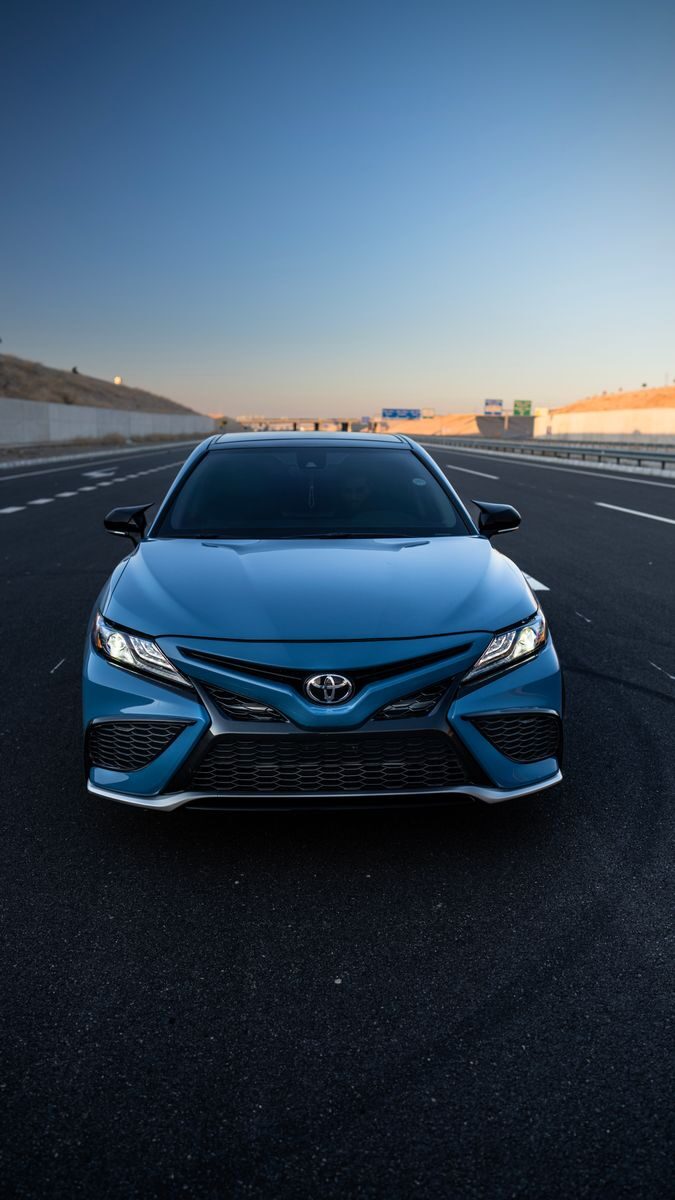
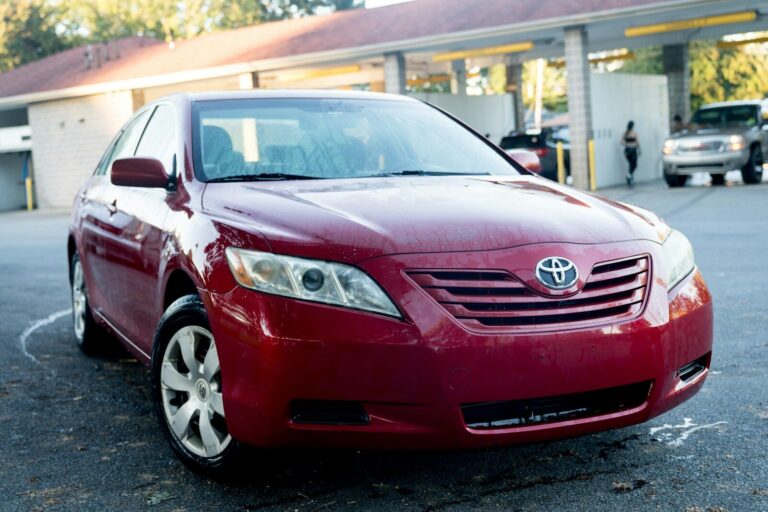
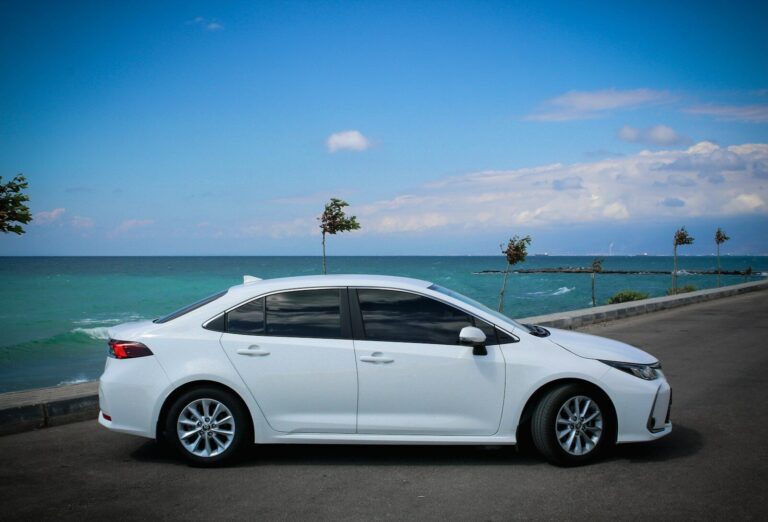
The Corolla suits buyers who want a simple, practical car. The Camry offers more room and a larger overall feel. Both are worth considering if you want comfort without paying for a large vehicle.
SUVs for Families and Extra Space
SUVs offer a higher seating position and more room for passengers or cargo. The Corolla Cross and RAV4 suit smaller families, while the Highlander and Grand Highlander offer more space.
A larger SUV costs more because it needs more materials and may have a more complex powertrain. Bigger tires and heavier components can also raise service costs.
Trucks for Work and Outdoor Use
A pickup truck makes sense when you need a cargo bed, towing ability, or extra ground clearance. The Tacoma is a midsize truck, while the Tundra is a larger option.
Think about your real workload before buying. A truck can be useful for heavy tasks, but its size and fuel use may add unnecessary expense if you only drive around town.
Side-by-Side Toyota Price Comparison Guide
Comparing starting prices helps you narrow your choices before visiting a dealer. Keep in mind that the lowest trim may have fewer comfort, safety, and convenience features than a more expensive version.
The prices below are approximate starting manufacturer prices for selected 2026 models. Actual vehicle prices vary with equipment, delivery charges, and dealer pricing.
| Toyota model | Vehicle type | Starting price |
|---|---|---|
| Corolla | Compact sedan | $23,325 |
| Corolla Cross | Compact SUV | $25,335 |
| Camry | Midsize sedan | $29,600 |
| RAV4 | Compact SUV | $31,900 |
| Tacoma | Midsize pickup | $32,545 |
| Highlander | Midsize SUV | $46,270 |
| 4Runner | Off-road SUV | $42,270 |
| Sequoia | Large SUV | $65,725 |
These figures provide a starting point, not a final quote. A higher trim, optional equipment, or dealer-installed accessories can increase the amount you pay.
Comparing Purchase Price and Practical Value
A Corolla may be enough for one person or a small household. A RAV4 may be a better fit if you need extra cargo space, while a Tacoma may justify its higher price if you regularly carry equipment.
The best value is not always the model with the lowest starting price. Consider how much space you need, how far you drive, and how long you plan to keep the car.
How Hybrid Models Affect the Budget
A hybrid combines a gasoline engine with an electric motor. It can reduce fuel use, especially in stop-and-go traffic, where the electric motor can help the engine work less.
However, a hybrid may cost more upfront than a similar gasoline model. The savings depend on fuel prices, driving habits, mileage, and the difference in purchase price.
A plug-in hybrid can travel some distance on electricity after charging. It may be useful if you can charge at home and make many short trips.
In-Depth Toyota Model Reviews for Different Needs
Each model offers a different mix of price, space, comfort, and capability. Focus on the features you will use every day instead of paying for equipment that adds little value to your driving.
A practical choice for commuting, errands, and first-time buyers. Its compact size can make parking easier, and its modest starting price leaves more room in the budget for insurance and upkeep.
The Camry suits drivers who want a larger sedan. It may be worth the higher price if you often carry passengers or spend long periods behind the wheel.
The RAV4 offers useful cargo space and a taller driving position. It can suit families who need more flexibility than a sedan provides.
The Tacoma is worth considering for hauling gear and selected towing tasks. Check the exact towing rating and payload for the version you choose.
Which Model Offers the Best Value?
For many budget-conscious buyers, the Corolla is a sensible starting point. It leaves more money available for fuel, maintenance, and unexpected repairs.
If you need more space, compare the Corolla Cross and RAV4. If your work requires a truck, compare the Tacoma with the larger Tundra before paying for extra size and capability.
Why Trim Levels Change the Price
A trim level is a version of a model with a specific set of features. A base trim may have simpler seats and fewer comfort features, while a higher trim may add larger wheels, improved materials, and advanced technology.
Engine choice and drivetrain can also affect the price. All-wheel drive sends power to all four wheels when needed, while front-wheel drive powers the front wheels. The best choice depends on your road conditions and driving needs.
Ultimate Toyota Buying Guide for Smart Spending
The sticker price is only one part of buying a car. Before you commit, calculate the full cost of ownership, which means the money needed to buy, use, maintain, and eventually sell the vehicle.
Estimate Your Total Purchase Cost
A manufacturer’s suggested retail price, or MSRP, is the price recommended by the vehicle maker. It may not include delivery, taxes, registration, dealer fees, or optional extras.
A dealer quote should list the full price in writing. Ask for a breakdown so you can spot unwanted accessories or extra charges.
For a clearer budget, consider these common purchase costs and how they may affect your total.
| Cost item | What it covers | Budget impact |
|---|---|---|
| Vehicle price | Base model and selected trim | Largest cost |
| Taxes and registration | Required purchase and vehicle fees | Varies by rules |
| Delivery charges | Transport and preparation | Often added |
| Optional features | Upgrades and accessories | Based on choice |
| Insurance | Financial protection for covered losses | Recurring cost |
| Financing interest | Cost of borrowing money | Depends on loan terms |
Not every charge applies in the same way to every purchase. Ask for an itemized quote and compare the final amount rather than the advertised starting price.
Understand Monthly Financing Payments
Financing lets you pay for a car over time instead of paying the full price upfront. Your monthly payment depends on the amount borrowed, interest rate, and loan term.
For example, consider a hypothetical $30,000 vehicle with a $5,000 down payment. You would borrow $25,000 before any financed fees or other adjustments.
The following estimates use a fixed annual interest rate of 6% and exclude taxes, fees, and insurance.
| Loan term | Approx. monthly payment | Total loan payments |
|---|---|---|
| 36 months | $761 | $27,400 |
| 48 months | $587 | $28,200 |
| 60 months | $483 | $29,000 |
These figures are rounded estimates. A longer loan reduces the monthly payment but increases the total interest paid. Compare the total repayment cost, not just the monthly amount.
Calculate Fuel and Maintenance Expenses
Fuel economy describes how far a vehicle travels for a set amount of fuel. A more efficient car can save money when you drive often, but the result depends on your actual mileage and fuel price.
Maintenance includes routine work such as oil changes, tire rotations, brake inspections, and replacing worn parts. Repairs are different because they address faults or damaged components.
A basic maintenance plan helps prevent small problems from becoming expensive ones. Follow the owner’s manual for the correct service intervals and fluid specifications.
Common Toyota Buying Mistakes to Avoid Today
A good deal can become expensive when you overlook the vehicle’s condition or the terms of the sale. Take time to compare offers and check the car before making a commitment.
Focusing Only on the Lowest Price
A low asking price can hide high mileage, accident damage, worn tires, or overdue service. These issues may lead to repair bills soon after purchase.
For a used Toyota, review the service records and arrange an independent inspection. A mechanic can check the engine, transmission, suspension, brakes, tires, and electronic systems.
Ignoring the Cost of Ownership
A large SUV may fit your family well, but it can cost more to fuel and maintain than a compact sedan. Insurance, tire replacement, and financing interest also affect your long-term budget.
Estimate your monthly costs before choosing a model. Leave some money aside for unexpected repairs instead of spending your entire budget on the purchase.
Buying More Features Than You Need
Premium trims can add comfort and technology, but not every upgrade offers useful value for every driver. Larger wheels, for example, may cost more to replace and can produce a firmer ride.
Choose the features that matter to you. A well-equipped base or mid-level trim may provide a better balance of comfort and price.
Frequently Asked Questions About Toyota Car Prices
How much does a Toyota cost on average?
There is no single average price that fits the full Toyota range. Selected new models start around $23,325, while large SUVs can start above $65,000. The model, trim, powertrain, and fees determine the final amount.
What is the cheapest new Toyota to buy?
Among the selected 2026 models, the Corolla starts at about $23,325. The final price can rise with delivery charges, taxes, optional features, and dealer fees.
How much does a used Toyota cost?
Used Toyota prices vary widely. Older vehicles with high mileage may cost under $10,000, while newer models with low mileage can cost much more. Condition, service history, accident records, and local demand all affect value.
Is a Toyota hybrid worth the extra cost?
A hybrid may be worth it if you drive enough miles to benefit from lower fuel use. Frequent stop-and-go driving can help, but savings depend on the model, fuel prices, and how much more the hybrid costs upfront.
How much should I budget for Toyota maintenance?
There is no fixed amount for every model. Routine servicing is usually more predictable than major repairs, but age, mileage, driving conditions, and parts prices all matter. Review the maintenance schedule and set aside money for tires, brakes, fluids, and unexpected faults.
Does a Toyota hold its resale value?
Some Toyota models retain value well, but resale prices are never guaranteed. Mileage, condition, service records, market demand, and vehicle history all affect what a future buyer may pay.
Is it better to buy a new or used Toyota?
A new Toyota offers a fresh service history and may include a factory warranty. A used Toyota often costs less upfront, but it needs a careful inspection and a review of past maintenance. Compare the total cost and condition before deciding.
Final Recommendation for Your Toyota Budget
The right Toyota is the one that fits your needs without putting pressure on your finances. A Corolla is a sensible option for affordable daily travel, a Camry offers more sedan space, and the RAV4 suits buyers who need a practical SUV. Trucks and larger SUVs make more sense when their extra capability is genuinely useful.
Before buying, compare at least three written quotes, check the full out-the-door price, and review fuel, insurance, maintenance, and financing costs. If you are buying used, get an independent mechanical inspection and check the service history.
The bottom line: Toyota prices can range from the low $20,000s to more than $60,000 for selected new models. Set your budget first, choose the right vehicle type, and judge value by the total cost of ownership—not just the price on the window.