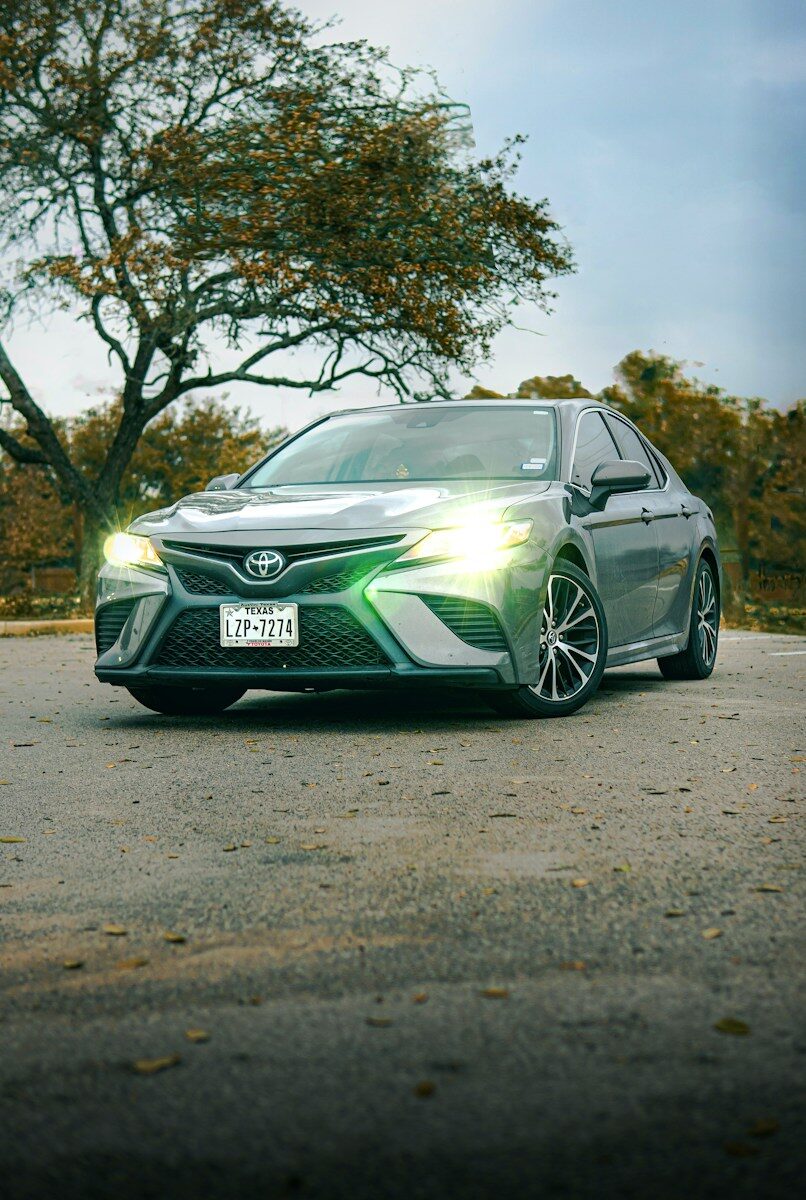
Is Toyota Camry All Wheel Drive? Models, Benefits, and Performance
From a mechanical workshop perspective, one of the first things to check when choosing a sedan for wet roads or winter driving is how its wheels receive power. Yes, the Toyota Camry is available with all-wheel drive (AWD), but availability depends on the model year and market. The 2020–2024 Camry offered AWD on select gasoline-powered trims, while the redesigned 2025 Camry moved to a hybrid-only lineup with electronic on-demand AWD available on selected versions.
AWD means the car can send power to all four wheels when needed. This can help the vehicle grip slippery roads and pull away with less wheelspin. However, not every Camry has this feature, and AWD does not automatically make a car stop faster.
If you are shopping for a used Camry, comparing trim levels, or deciding whether AWD is worth the extra cost, knowing how the system works can help you make a better choice.
Exact Definition of Toyota Camry AWD System
The Toyota Camry is best known as a comfortable, fuel-efficient midsize sedan. For many years, most versions sent engine power to the front wheels only. Select newer models added an all-wheel-drive option for drivers who wanted more traction.
What does AWD mean in a Camry?
AWD stands for all-wheel drive. It allows the vehicle to send driving force to both the front and rear wheels rather than relying only on the front pair.
In a front-wheel-drive (FWD) Camry, the front wheels provide the force that moves the car. They also steer the vehicle. In an AWD version, the rear wheels can receive power when extra grip is useful.
This does not mean all four wheels receive equal power at every moment. The system can adjust how power is shared based on driving conditions and system design.
Which Camry model years offer AWD?
AWD availability varies by model year, engine, trim, and sales market. The following overview is a useful starting point when comparing vehicles.
Before choosing a used car, confirm its original equipment through the vehicle identification number (VIN), factory build details, or owner’s manual. A badge alone is not enough to confirm the drivetrain.
This table summarizes the main AWD eras and the key differences buyers should know.
| Camry model years | AWD availability | Main details |
|---|---|---|
| 1988–1991 | Limited older models | Early All-Trac versions existed |
| 1992–2019 | Generally unavailable | Mainstream models used FWD |
| 2020–2024 | Optional | Select four-cylinder gasoline trims |
| 2025 onward | Optional | Hybrid powertrain with electric rear drive |
The table reflects the North American model range, not every market worldwide. Older vehicles may also have different equipment, so verify the exact model before buying.
Toyota USA Newsroom
+2
How to identify an AWD Camry correctly
Start with the vehicle’s original specifications. Check the factory build sheet, window sticker, or VIN-based vehicle report. These records can confirm whether the car left the factory with AWD.
On older gasoline AWD models, a rear differential and a driveshaft leading toward the rear axle are physical clues. A mechanic can inspect these parts on a lift. Do not crawl under a car supported only by a jack.
Mechanics of How It Actually Works in Practice
The AWD system helps the Camry use available tire grip more effectively. Its design differs between the gasoline-powered models and the newer hybrid versions.
How gasoline Camry AWD sends power
The 2020–2024 gasoline AWD Camry uses a system called Dynamic Torque Control AWD. Torque means the twisting force that turns a wheel. The system can send some of that force to the rear wheels when the car needs more traction.
A transfer mechanism and driveshaft carry power toward the rear axle. A rear differential then helps the rear wheels turn at different speeds when cornering. Electronic controls help manage the system as road grip changes.
When driving on dry pavement at a steady speed, the system can favor the front wheels. When the car accelerates on a slippery surface, it can send power rearward to help reduce front-wheel slip.
Toyota USA Newsroom
+1
How hybrid Camry AWD works differently
The 2025-and-newer hybrid Camry uses Electronic On-Demand AWD. Instead of using the same mechanical connection as the older gasoline system, it has a separate electric motor for the rear wheels.
The hybrid control system can command this motor when it needs extra traction. This can help the car move away from a slippery stop or maintain traction while accelerating through a bend.
The system also works with the hybrid powertrain, which combines a gasoline engine and electric motors. It does not need a traditional engine-driven driveshaft to power the rear axle in the same way as the older mechanical AWD system.
Toyota USA Newsroom
+1
Why tire grip matters more than raw power
A tire can only transfer a limited amount of force to the road. Water, loose gravel, snow, and ice can reduce that grip. AWD gives the car more options for using the grip that remains, especially during acceleration.
However, AWD cannot create extra grip where the tires have almost none. It also cannot cancel the laws of motion. A heavy sedan moving too fast on ice can still slide, even when all four wheels receive power.
Why This Component Matters to Engines
AWD does not make the engine more powerful by itself. Its main job is to improve how the vehicle uses its available driving force.
Better launches on wet or loose roads
Imagine pulling away from a wet junction. In a front-wheel-drive Camry, the front tires must steer and deliver the engine’s driving force. If they lose grip, they may spin.
An AWD Camry can send some driving force to the rear wheels. That spreads the work across more tires and may help the car move away with less wheelspin.
This is especially useful when joining a road, climbing a slippery ramp, or driving across loose gravel. Smooth throttle use remains important.
Improved traction in winter conditions
On snow-covered roads, AWD may help the Camry start moving and climb gentle hills. It can be useful when the surface has mixed patches of snow, ice, and bare pavement.
Winter tires still matter. Their rubber compound and tread are designed to grip cold surfaces better than ordinary summer tires. AWD cannot make summer tires safe on ice, and it does not replace careful braking.
Does AWD improve cornering and braking?
AWD can help maintain traction when accelerating through a corner. It may also reduce the chance of front-wheel spin when power is applied on a slippery exit.
But AWD does not guarantee sharper steering or shorter stopping distances. Braking depends on the tires, brakes, road surface, vehicle speed, and the driver’s actions. All four wheels already have brakes on a normal modern Camry, including front-wheel-drive versions.
Core Benefits of a Healthy System
A properly working AWD system can make a Camry more capable in certain driving conditions. The main benefit is extra traction when the road surface is slippery or uneven.
More confident everyday driving
For drivers who often face rain, snow, steep driveways, or loose road surfaces, AWD can offer a useful advantage. The system operates automatically, so the driver usually does not need to engage a separate control.
It also lets the Camry retain its sedan shape and everyday comfort while offering more traction than a front-wheel-drive version under the right conditions.
Choosing between older and newer systems
The older gasoline system and newer hybrid system both aim to improve traction, but they use different hardware. Your choice may depend on fuel economy, purchase price, repair needs, and the age of the car.
The following comparison highlights the main practical differences.
| Feature | 2020–2024 gasoline AWD | 2025+ hybrid AWD |
|---|---|---|
| Main powertrain | Gasoline engine | Gasoline-electric hybrid |
| Rear-wheel drive | Mechanical connection | Dedicated rear electric motor |
| Transmission layout | Automatic transmission | Hybrid power-split system |
| Fuel economy | Varies by trim and conditions | Generally designed for high efficiency |
| Used-car checks | Driveshaft, differential, AWD controls | Rear motor, hybrid system, AWD controls |
Exact specifications depend on the model year and market. The newer hybrid design is not simply the older system with a different engine; it uses a different way to deliver power to the rear wheels.
Toyota USA Newsroom
+1
A sound AWD system should operate smoothly without warning lights, binding, or unusual mechanical noise. If the system behaves strangely, have it checked before the fault damages other parts.
Potential Drawbacks and Failure Points to Know
AWD adds capability, but it also adds parts, weight, and possible repair costs. Buyers should weigh those trade-offs before paying extra for an AWD Camry.
Higher purchase and maintenance costs
AWD models may cost more than comparable FWD versions. They also have additional components that may need inspection or repair as the vehicle ages.
On gasoline models, these parts include the driveshaft, rear differential, and related joints. On hybrid versions, the rear electric drive motor and its control systems add their own inspection needs.
Not every AWD car will have problems. Regular service, good tires, and prompt attention to warning lights can help keep the system in good condition.
Fuel economy and added weight
The extra hardware in a gasoline AWD car adds weight. Moving that weight requires energy, which can increase fuel use compared with a similar FWD car.
The effect varies with speed, temperature, traffic, tire choice, and driving style. Hybrid AWD models can still achieve strong fuel economy because their electric drive system works with the hybrid powertrain.
Why tire matching is important
Tires with very different tread depths or rolling sizes can affect how an AWD system operates. The control system may detect differences in wheel speed and work harder to manage traction.
Replace tires according to the owner’s manual. In many AWD applications, replacing all four tires together is the safest approach when tread differences exceed the permitted limit. Some tires can be shaved or matched by a specialist, but only when the tire maker and vehicle requirements allow it.
Warning signs that need attention
Watch for these possible signs of an AWD fault:
- A drivetrain or AWD warning message on the dashboard.
- Grinding, humming, or clunking from beneath the car.
- Vibration that changes with road speed.
- Tire wear that differs sharply from one wheel to another.
- Unusual resistance or binding during tight, slow turns.
These signs do not prove the AWD system has failed. A damaged wheel bearing, tire defect, suspension part, or other drivetrain fault can cause similar symptoms.
If a red warning appears, the car loses drive, or a strong mechanical noise develops, stop somewhere safe and arrange an inspection.
Common Misunderstandings About Camry AWD
Many buyers assume AWD means the car can handle any weather or road. That is not how the system works.
AWD is not the same as four-wheel drive
AWD generally manages power to the wheels automatically while driving. Traditional four-wheel-drive (4WD) systems are often designed for rough terrain and may include a selectable low gear for slow, difficult conditions.
The terms can overlap in marketing, but the hardware and purpose may differ. The Camry is a road-focused sedan, not a dedicated off-road vehicle.
Every Camry does not have AWD
A Camry’s model year alone does not always confirm its drivetrain. Some model years offer both FWD and AWD, and the available versions can vary by market.
Do not assume a car has AWD because it has a sport appearance package, large wheels, or an AWD badge. Check the factory equipment.
AWD does not mean maintenance is optional
Some drivers think that because the system works automatically, it needs no care. In reality, the tires, drivetrain parts, fluids where specified, and electronic controls still need proper attention.
Follow the service schedule for the exact vehicle. Do not add fluid or use a replacement lubricant based on a guess; the required fluid and service procedure can vary by component and model year.
Frequently Asked Questions
These common questions can help you decide whether an AWD Camry suits your needs.
Is the Toyota Camry available with AWD?
Yes. Modern AWD Camrys include select gasoline models from 2020 through 2024 and hybrid models from 2025 onward. Availability depends on the exact trim and market.
Toyota USA Newsroom
+1
Is the 2024 Toyota Camry all-wheel drive?
Some 2024 Camry gasoline models offer AWD as an option. It is not standard on every trim, and the 2024 Camry Hybrid is generally FWD in the North American lineup.
Is the 2025 Toyota Camry AWD or FWD?
The 2025 Camry is a hybrid-only model in the North American lineup. It is available with FWD or optional electronic on-demand AWD, depending on configuration.
Toyota USA Newsroom
+1
Is the Toyota Camry AWD good in snow?
It can be helpful in snow because it can deliver power to the rear wheels when extra traction is needed. However, suitable winter tires, lower speeds, and gentle braking remain essential for safe winter driving.
Does AWD make a Camry faster?
Not necessarily. AWD may help the car accelerate more effectively when the road is slippery, but it does not automatically increase top speed. Engine output, gearing, traction, and vehicle weight all affect performance.
Does AWD use more fuel than FWD?
A gasoline AWD Camry may use more fuel because it carries extra hardware and weight. A hybrid AWD Camry can still be economical, but actual fuel use depends on driving conditions and the specific model.
Can I convert my FWD Camry to AWD?
A conversion is technically complex and usually impractical. It can require major changes to the transmission or powertrain, floor structure, rear suspension, electronics, and other components.
The cost and safety risks generally make buying a factory-built AWD Camry the more sensible option.
How can I confirm whether my Camry has AWD?
Check the factory build sheet, original window sticker, or a reliable VIN-based specification report. A qualified mechanic can also inspect the drivetrain. Do not rely on badges or seller descriptions alone.
Is a used AWD Camry reliable?
A well-maintained AWD Camry can be a sound used-car choice. Check the service history, tires, drivetrain noise, warning lights, and any signs of accident damage before purchase.
Final Thoughts on Choosing Your Camry Drivetrain
The answer to “is Toyota Camry all wheel drive?” is yes, but only certain versions have AWD. The modern gasoline AWD option began with the 2020 model year in the North American lineup, while the 2025 redesign introduced hybrid AWD with a dedicated electric rear motor.
Choose AWD if you regularly drive on slippery roads, climb steep driveways, or need extra traction when pulling away. Choose FWD if your roads are usually dry, you want a simpler drivetrain, or lower purchase and ownership costs matter more.
Before buying, verify the exact model and factory equipment. Inspect the tires, check the maintenance records, and take a careful test drive. A well-maintained car with suitable tires will usually serve you better than an AWD model that has been neglected.
The best choice is not simply the Camry with the most driven wheels. It is the one that fits your roads, budget, driving habits, and maintenance needs.