Which Toyotas Are Made in Japan? A Complete Model Guide
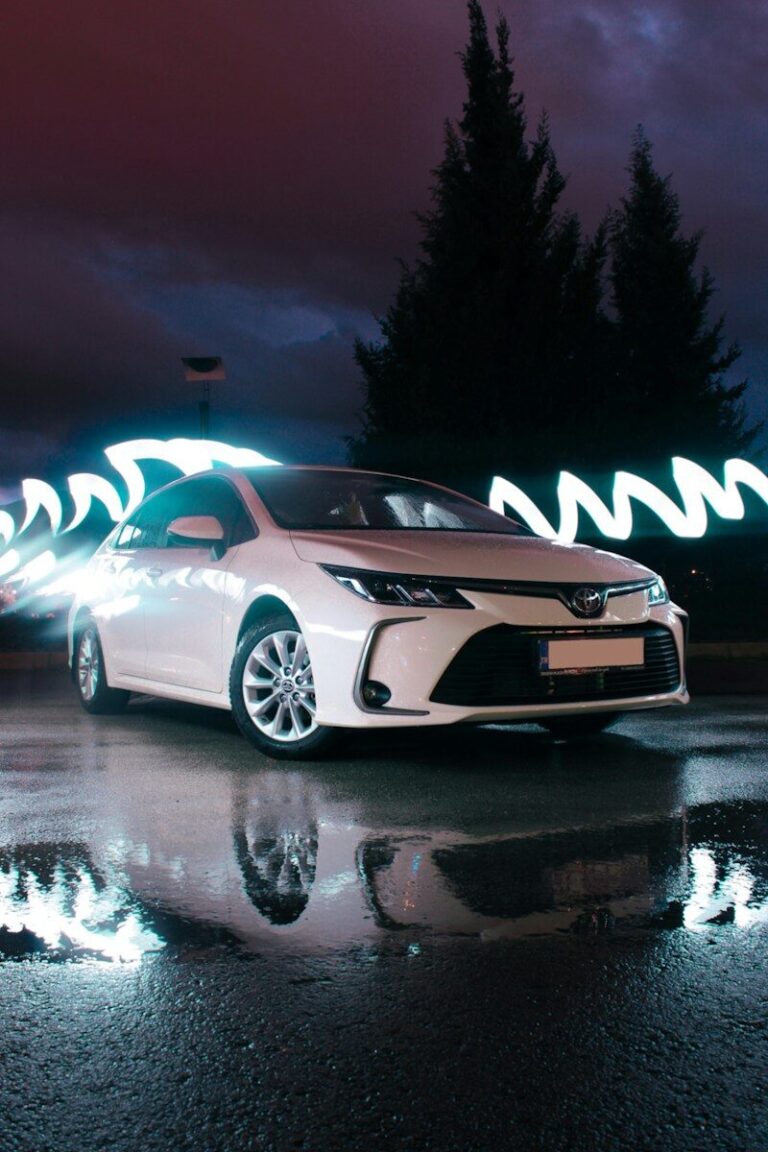
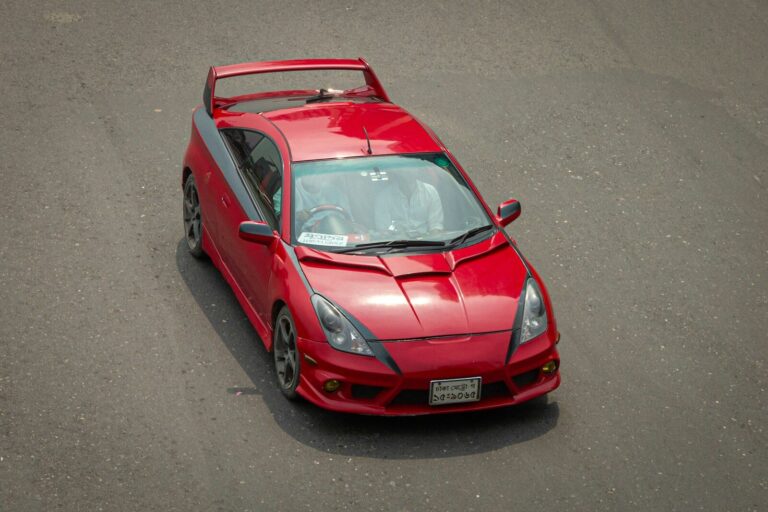
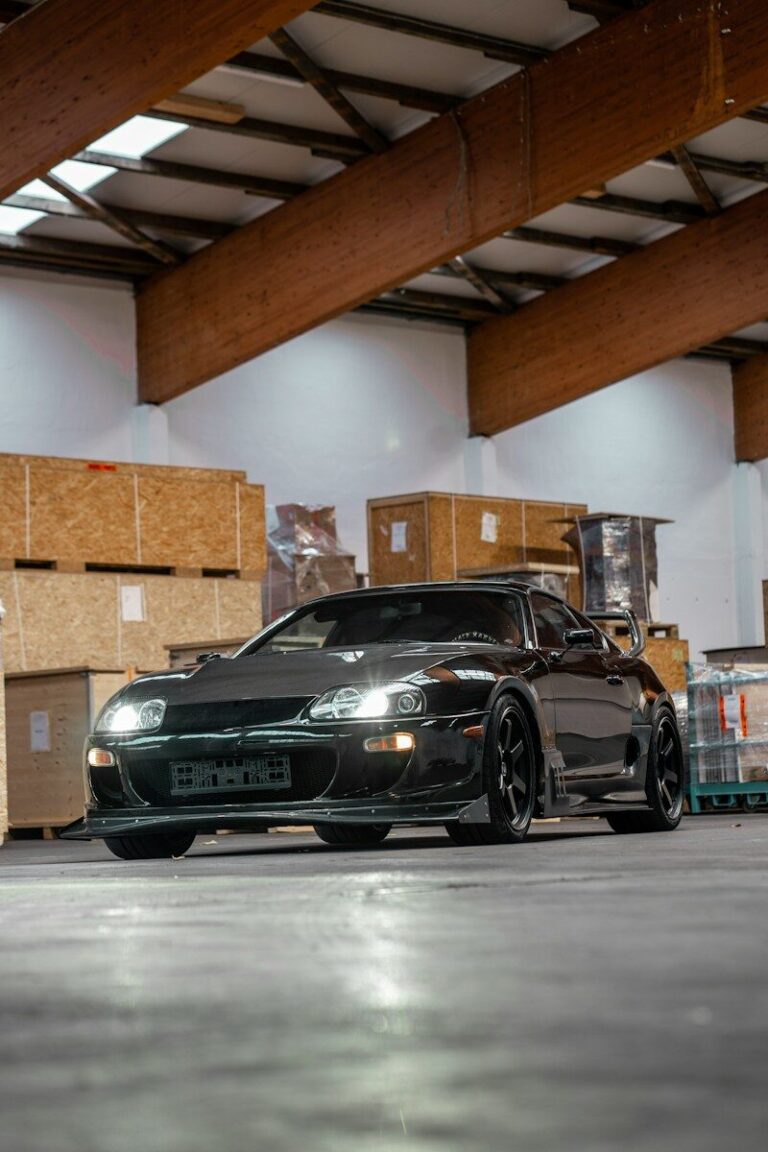
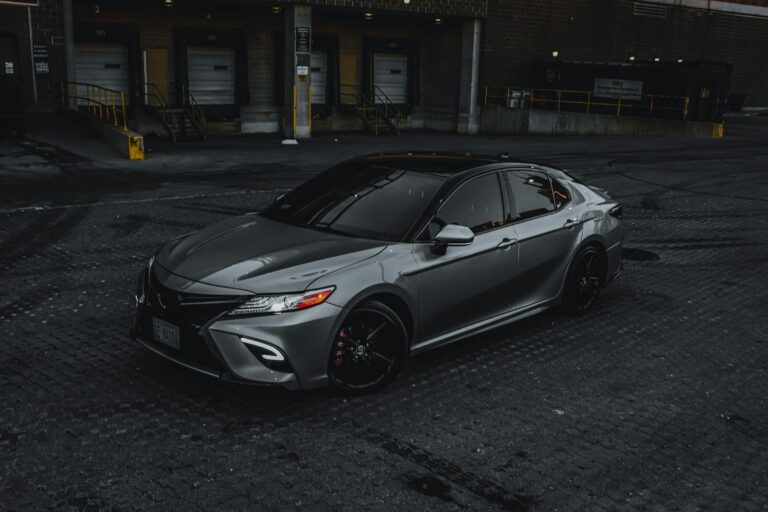
In automotive inspection and vehicle maintenance, one of the first things worth checking on a Toyota is where it was built. Many Toyota models come from Japanese factories, while others are assembled in North America, Europe, and other regions. Toyota models that may be made in Japan include the Prius, Crown, Land Cruiser, GR Corolla, GR Yaris, and several versions of the Corolla, RAV4, and Yaris. The exact factory depends on the model, model year, trim, and market.
This matters if you want a Japanese-built Toyota for its engineering heritage, manufacturing standards, or potential resale appeal. However, a Toyota built outside Japan can also deliver excellent quality. The country of assembly is one useful detail, not a guarantee of reliability.
The best way to identify a Japanese-built vehicle is to check its Vehicle Identification Number (VIN), which is the unique code assigned to each car, and confirm the factory information for its exact model year. A model name alone cannot always tell you where a particular vehicle was assembled.
How Toyota’s Japanese Manufacturing Network Works
Toyota has a large manufacturing network in its home country. Its factories build vehicles, engines, hybrid systems, and other key components for domestic buyers and export markets.
Why Toyota Builds Cars in Multiple Countries
Toyota produces vehicles close to major sales markets to reduce shipping costs, manage supply, and respond to local demand. A car sold under the same model name can therefore come from different factories.
Local assembly can also help Toyota meet regional regulations and reduce delivery times. The production location may change when a new generation launches or when factory capacity shifts.
What Japanese Production Means for Buyers
Japanese production often reflects Toyota’s long-established manufacturing methods, including careful process control and continuous improvement. These methods aim to reduce waste, prevent defects, and keep quality consistent.
Still, factory location alone does not prove that one vehicle is better than another. Maintenance history, accident damage, parts availability, and the care given to the car can have a much greater effect on long-term ownership.
Top Japanese-Built Toyota Models Worth Knowing
Several Toyota vehicles have a strong connection to Japanese production. Some focus on fuel economy, while others offer off-road strength, luxury, or high-performance driving.
The following models are useful starting points when shopping for a Japanese-built Toyota. Production can vary by year and destination market, so treat this as a model guide rather than a guarantee for every vehicle.
Toyota Prius and Its Hybrid Technology
The Toyota Prius is one of the best-known hybrid cars. A hybrid combines a petrol engine with an electric motor to improve fuel efficiency.
Japanese production has played a major role in the Prius lineup. Its hybrid system uses an engine, electric motors, a battery, and power electronics to manage energy during acceleration and braking.
During braking, the electric motor can act as a generator. It converts some of the car’s motion into electrical energy and stores it in the battery. This process is called regenerative braking.
Toyota Crown for Comfort and Refinement
The Toyota Crown is a premium model with a focus on comfort, smooth power delivery, and modern technology. Selected Crown variants are built in Japan.
Depending on the version, the Crown may offer a hybrid powertrain, advanced driver assistance, and a quiet cabin. It suits drivers who want comfort without moving to a separate luxury brand.
Toyota Land Cruiser for Tough Conditions
The Land Cruiser has a long history of handling rough roads and demanding conditions. Selected models are produced in Japan, though the precise manufacturing arrangement depends on the series and model year.
Its appeal comes from features such as a sturdy chassis, capable four-wheel drive, and systems designed to maintain traction on loose surfaces. Four-wheel drive sends engine power to all four wheels to help the vehicle move across challenging terrain.
Toyota GR Corolla for Performance Driving
The GR Corolla is a performance-focused hatchback. It combines a turbocharged engine, a sporty chassis, and an all-wheel-drive system in a compact body.
Japanese production is an important part of this model’s identity. Its engineering focuses on handling, traction, and quick responses rather than maximum cabin space.
Toyota 4Runner and Selected RAV4 Models
The 4Runner is a rugged SUV with a history of Japanese production. Certain RAV4 versions are also assembled in Japan, although the RAV4 is built in multiple countries.
For either model, check the exact vehicle rather than relying on the badge. Two vehicles with the same name can have different assembly origins, engines, and equipment.
Comparing Japanese Toyota Models by Vehicle Type
The right model depends on how you plan to drive. A fuel-saving hybrid, a family SUV, and a performance hatchback serve very different needs.
This comparison highlights the main reasons buyers consider these models. Exact equipment and powertrain options vary by model year.
| Toyota model | Main strength | Best suited for |
|---|---|---|
| Prius | Hybrid fuel economy | Daily commuting |
| Crown | Comfort and refinement | Comfortable road trips |
| Land Cruiser | Off-road capability | Rough roads and demanding use |
| GR Corolla | Sporty handling | Enthusiastic driving |
| 4Runner | Rugged SUV design | Outdoor use |
| RAV4 | Practical SUV versatility | Families and daily driving |
A Japanese-built car does not automatically outperform every alternative. Fuel use, ride comfort, repair costs, safety equipment, and service history should all influence your decision.
How the Factory Can Vary by Model Year
Toyota changes production plans as new generations arrive. A vehicle may move between plants, gain a new powertrain, or be produced in more than one location.
For example, the Prius and Crown have strong Japanese production links, while the RAV4 has a broader manufacturing footprint. Older versions may also have different assembly origins from newer ones.
Always match the factory information to the exact model year. This is especially important when buying a used import or a vehicle that was originally sold in another market.
How to Identify a Toyota Built in Japan
The most reliable approach is to inspect the car’s identification details. The Vehicle Identification Number, or VIN, is a unique code used to identify an individual vehicle.
Check the First Character of the VIN
For many modern Toyota vehicles, a VIN that begins with the letter J indicates production in Japan. A VIN is usually 17 characters long and appears on the vehicle’s identification label and registration documents.
Check the VIN on the vehicle itself, not just in an online advertisement. Make sure it matches the paperwork and the car’s identifying records.
Understand the VIN Without Guesswork
The first three characters form the World Manufacturer Identifier, which identifies the manufacturer and related vehicle details. Other characters help identify the vehicle type, model year, production plant, and serial number.
A VIN can provide valuable clues, but the full code must be interpreted using the correct vehicle information system. Do not assume that every character has the same meaning across all markets and model years.
The following examples explain the basic idea behind VIN checks. These are illustrative examples, not real vehicle identification numbers.
| VIN opening | General interpretation | What to do next |
|---|---|---|
| J | Produced in Japan | Verify the full VIN |
| 1, 4, or 5 | Commonly assembled in the United States | Confirm the vehicle records |
| 2 | Commonly assembled in Canada | Check the factory details |
| 3 | Commonly assembled in Mexico | Verify the exact model |
These patterns are useful for many modern vehicles sold in North America, but VIN rules and reporting practices can differ by market. The first character is a strong clue, not a substitute for checking the complete vehicle record.
Inspect the Door Label and Documents
Look for the manufacturer’s label on the driver’s door area or door pillar. Depending on the vehicle, it may include production details, compliance information, and the VIN.
Compare this information with the registration documents and any available factory build record. If the label appears altered, damaged, or inconsistent, arrange a professional inspection before buying.
How Japanese Toyota Manufacturing Compares
Toyota uses common manufacturing principles across its global operations. These include standardized procedures, inspection points, and systems designed to detect defects early.
The exact factory, parts supply chain, and vehicle specification can still differ. The key is to compare the actual vehicle rather than rely on broad claims about national manufacturing quality.
Assembly Quality and Production Standards
Japanese-built Toyota models are often associated with careful assembly and consistent quality control. That reputation reflects decades of investment in manufacturing systems and process improvement.
However, a factory’s location does not tell you whether a used car has been serviced properly. Poor maintenance, flood damage, overheating, and collision repairs can harm a vehicle regardless of where it was built.
Engines, Hybrids, and Vehicle Components
Some Japanese factories produce complete vehicles, while others focus on engines, transmissions, hybrid parts, or other components. A transmission is the system that transfers engine power to the wheels.
This means a car assembled outside Japan may still contain components made in Japan. Conversely, a Japanese-assembled car can use parts sourced from other countries.
The country where the complete vehicle was assembled is different from the origin of every component inside it.
Why the Same Toyota Can Feel Different
Vehicles sold in different markets may have different engines, suspension tuning, safety features, and emissions equipment. These differences can affect how a car feels on the road and what maintenance it needs.
For instance, suspension tuning affects how the car responds to bumps and corners. Emissions equipment helps control harmful exhaust gases and may differ to meet local rules.
Before comparing two Toyotas, confirm their model years, engine types, trim levels, and original market specifications.
Choosing the Best Japanese Toyota for Your Needs
Buying a Japanese-built Toyota makes the most sense when you choose a model that fits your driving habits and budget. Start with how you use the vehicle, then check its origin and condition.
Match the Model to Your Driving Needs
A Prius may suit a driver who spends much of the week in traffic and wants to reduce fuel use. A Crown may be more appealing if cabin comfort and a smooth ride are the main priorities.
For rough roads, towing within the vehicle’s rated limits, or outdoor trips, a Land Cruiser or 4Runner may be worth considering. Drivers who value sporty handling may prefer the GR Corolla.
Your needs should determine the model. The country of assembly should be a factor, not the only reason to buy.
Consider Running Costs and Parts Access
A vehicle’s purchase price is only one part of ownership. Fuel, tyres, insurance, routine servicing, and repairs all affect the total cost.
Imported versions can sometimes need special parts or market-specific electronic components. These may take longer to source, especially if the vehicle was never officially sold in your market.
Before purchasing, ask a qualified workshop whether it can service the engine, transmission, hybrid system, and driver assistance features fitted to that exact version.
Check the Vehicle Before Paying
A pre-purchase inspection is a review of the car by a qualified mechanic before you buy it. It can reveal faults that are hard to spot during a short test drive.
The next checklist covers the key items to verify. It applies to Japanese-built Toyotas and other used vehicles alike.
| Inspection item | What to check | Why it matters |
|---|---|---|
| VIN and labels | Matching identification details | Helps confirm vehicle identity |
| Engine | Leaks, noises, warning lights | May reveal mechanical faults |
| Transmission | Smooth shifts and engagement | Helps detect driveline problems |
| Hybrid system | Battery health and fault codes | Can reveal costly issues |
| Chassis and body | Rust, repairs, uneven gaps | May indicate damage |
| Service records | Regular maintenance history | Helps assess past care |
A clean inspection report is more useful than a seller’s claim that the vehicle is Japanese-built. Ask for diagnostic results and repair records when available, and investigate any warning lights before agreeing to the purchase.
Common Mistakes When Buying Japanese Toyotas
A few simple checks can prevent expensive surprises. Buyers sometimes focus so much on the country of assembly that they overlook condition, specification, or the availability of replacement parts.
Assuming Every Model Comes From Japan
A Toyota badge does not guarantee Japanese assembly. The same model can be produced at different factories, depending on the year, trim, and market.
The RAV4 and Corolla are good examples of models whose manufacturing origins can vary. Always verify the individual vehicle rather than relying on a general model list.
Confusing Japanese Parts With Japanese Assembly
A car may use a Japanese-made engine or transmission but have its final assembly completed elsewhere. The reverse can also be true: a Japanese-built car may use components from a global supplier network.
If the seller advertises a car as “100% Japanese,” ask what that claim means. It may refer to the assembly location, the brand, or the origin of selected components.
Ignoring Import and Repair Requirements
Imported vehicles may use different headlight settings, navigation systems, radio bands, charging connectors, or emissions equipment. Some differences are minor, but others can affect road legality or repair costs.
Confirm that the car meets local requirements and that a qualified workshop can diagnose its electronic systems. For a hybrid or an advanced performance model, specialist support can be particularly useful.
Buying Based on Reputation Alone
Toyota has a strong reputation for reliability, but no car is immune to wear. Old tyres, worn suspension parts, neglected fluids, and damaged cooling systems can cause problems in any vehicle.
Pay attention to the maintenance history and signs of neglect. A well-maintained vehicle with a clear history is usually a safer bet than one chosen solely for its country of origin.
Frequently Asked Questions About Japanese Toyotas
Which Toyota models are made in Japan?
Examples include the Prius, Crown, GR Corolla, GR Yaris, and Land Cruiser, along with selected versions of the Corolla and RAV4. Production varies by model year and destination market, so verify the specific vehicle before buying.
How can I tell if my Toyota was made in Japan?
Check the VIN. For many modern vehicles, a VIN starting with J indicates Japanese production. Confirm the full VIN and vehicle records to avoid relying on one clue alone.
Are Japanese-built Toyotas more reliable?
Not necessarily. Manufacturing standards matter, but so do maintenance, design, vehicle age, driving conditions, and repair history. A well-maintained Toyota assembled elsewhere can be just as dependable as a comparable Japanese-built model.
Is a Japanese-built Toyota worth more?
It may attract interest in some used-car markets, but there is no universal price premium. Mileage, condition, trim, service records, demand, and parts availability can matter more than the assembly location.
Are all Toyota hybrids made in Japan?
No. Toyota produces hybrid vehicles in multiple countries. The Prius has strong Japanese production links, but hybrid models such as the Corolla, Camry, and RAV4 can have different assembly origins depending on the market and model year.
Which Japanese Toyota is best for families?
The right choice depends on space, budget, fuel economy, and the number of passengers. A Prius may suit a smaller household, while selected RAV4 and Land Cruiser versions offer SUV-style space and utility. Check seating capacity and cargo space for the exact trim.
Does a VIN starting with J guarantee the whole car is Japanese?
No. It generally indicates that the vehicle was produced in Japan, but it does not mean every component was made there. Automakers source parts through global supply chains.
Can I identify the factory from the VIN?
Often, yes. The complete VIN can contain a plant identifier, but the meaning depends on the manufacturer’s coding system and model. Use an appropriate VIN lookup or a verified build record for the exact vehicle.
For buyers comparing several models, it helps to separate confirmed Japanese production from models that require a closer check.
| Model | Japanese production connection | Buyer check |
|---|---|---|
| Prius | Strong | Confirm year and VIN |
| Crown | Strong | Check body style and year |
| GR Corolla | Strong | Verify exact production details |
| Land Cruiser | Strong for selected series | Confirm the specific series |
| Corolla | Varies | Check the individual VIN |
| RAV4 | Varies | Check the plant and model year |
These examples are a starting point, not a fixed list for every market. Production arrangements can change, and a vehicle’s full identification record remains the best way to establish its assembly origin.
Before making a final choice, consider the cost of owning the vehicle over several years, not just the price you pay today.
| Buyer priority | Models worth considering | Main factor to assess |
|---|---|---|
| Fuel economy | Prius | Real-world fuel use |
| Premium comfort | Crown | Ride quality and features |
| Rough-road ability | Land Cruiser | Capability and upkeep |
| Sporty driving | GR Corolla | Tyres and service costs |
| Everyday versatility | RAV4 | Space and running costs |
The best option is the one that suits your daily driving, local service options, and budget. Confirm the model’s assembly origin after narrowing down your choices.
Final Recommendation for Choosing Your Toyota
If you want a Japanese-built Toyota, start with models such as the Prius, Crown, GR Corolla, and Land Cruiser. Selected Corolla, RAV4, and other variants may also qualify, but the exact factory depends on the production year and specification.
Use the VIN as your first check, then verify the vehicle’s factory details. A matching VIN, clear service records, and a professional inspection provide a stronger basis for buying than a seller’s claim alone.
Most importantly, choose a well-maintained car with the right features and affordable upkeep. Japanese assembly can be a useful preference, but the condition of the individual vehicle is what matters most over years of ownership.