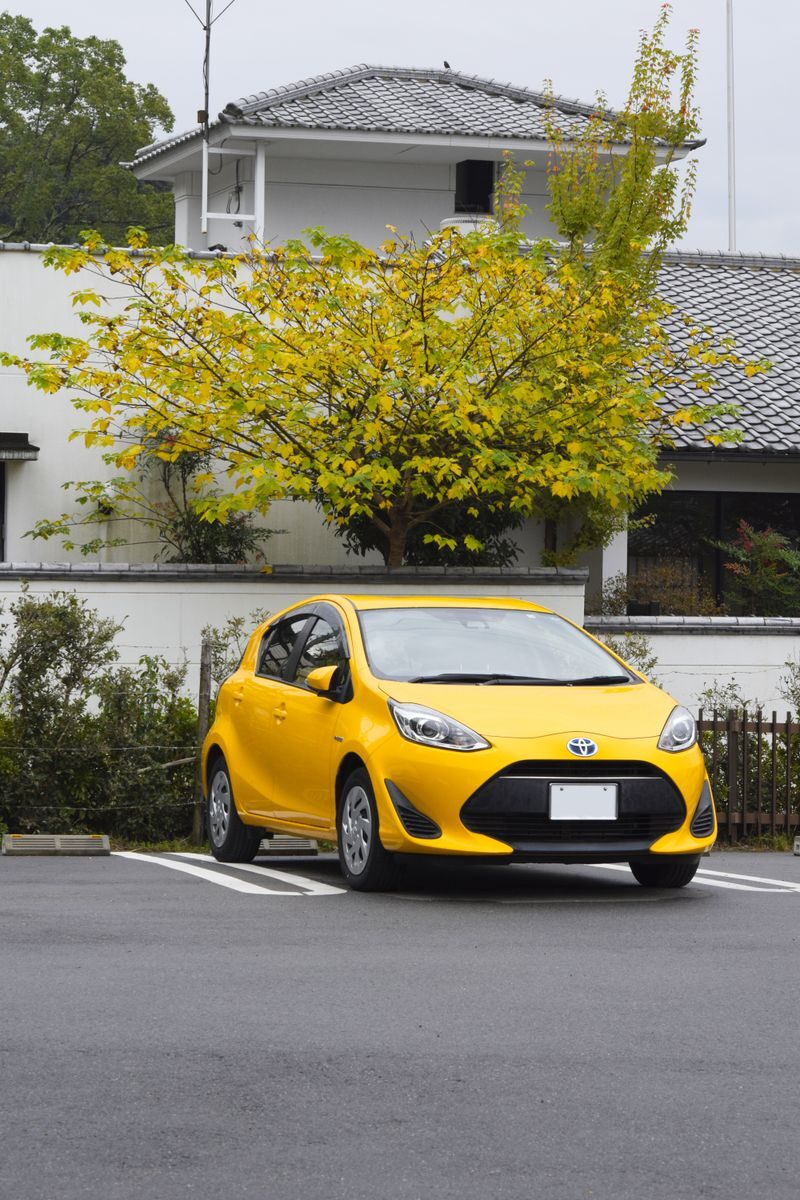
What Is the Toyota Crown? A Complete Guide to Features, Performance, and Reliability
The Toyota Crown is a premium passenger car that blends comfort, advanced technology, strong performance, and fuel-saving hybrid power. From a mechanical point of view, it is designed to deliver a smooth ride, quiet cabin, and dependable daily driving. The Crown has evolved from a traditional luxury sedan into a wider family of premium vehicles, including sedan-like and crossover-style models. Its exact features depend on the model year, trim, engine, and market.
If you are considering buying one, the key question is simple: does the Toyota Crown offer enough comfort, performance, and long-term value to justify its price? Understanding its design, powertrain, safety systems, and maintenance needs can help you make the right choice.
Exact Definition of the Toyota Crown Model
The Toyota Crown is a premium vehicle range built to sit above many mainstream passenger cars. It focuses on comfort, refinement, technology, and efficient performance rather than basic transportation alone.
What makes the Crown different?
The Crown combines several features that help set it apart from ordinary family sedans. Depending on the version, these may include a hybrid powertrain, a refined suspension, premium cabin materials, advanced driver assistance, and all-wheel drive.
A hybrid powertrain uses an internal combustion engine and one or more electric motors. The system can use either power source or both, depending on driving conditions. This helps balance fuel economy with useful acceleration.
The Crown also places strong emphasis on cabin comfort. Its seats, sound insulation, climate control, and suspension are designed to reduce fatigue during long trips.
Is the Crown a sedan or an SUV?
The answer depends on the generation. Older Crown models were mainly traditional sedans. Newer versions include a higher-riding Crown sedan and crossover-style designs.
These newer body styles offer a different seating position and visual appeal from a low-slung luxury sedan. However, a crossover-style Crown is not automatically a full-size SUV. Its ground clearance, cargo space, and off-road ability depend on the specific version.
Who is the Toyota Crown designed for?
The Crown suits drivers who want more comfort and technology than a basic commuter car offers. It can work well for daily travel, business use, family trips, and long-distance highway driving.
It may also appeal to drivers who want hybrid efficiency without moving to a fully electric vehicle. A hybrid does not need to be plugged in when it uses a conventional self-charging hybrid system.
Mechanics of How the Toyota Crown Works
The Crown’s driving character comes from its engine, transmission, electric motors, suspension, and electronic control systems. These parts work together to deliver smooth power and stable handling.
Understanding the hybrid powertrain
Many recent Crown models use hybrid technology. The gasoline engine creates power through combustion, while the electric motor produces torque using electrical energy.
Torque is the turning force that helps a vehicle accelerate. Electric motors can provide strong torque at low speeds, which helps the car move away from a stop without waiting for engine speed to rise.
A hybrid control unit manages the flow of energy between the engine, electric motors, and battery. During light acceleration, the system may use electric power alone for short periods. Under heavier loads, the engine and motor can work together.
How regenerative braking saves energy
Regenerative braking allows an electric motor to act as a generator when the vehicle slows down. Instead of losing all the car’s motion as heat through the brakes, the system converts some of that energy into electricity.
The recovered energy charges the hybrid battery. The system can then use that energy to assist acceleration or power the vehicle at low speeds.
Regenerative braking does not replace the normal brakes. Friction brakes remain essential for hard stops, emergency braking, and situations where energy recovery cannot provide enough stopping force.
Transmission and power delivery
Depending on the powertrain, the Crown may use an electronically controlled hybrid transmission or a different automatic transmission arrangement. Some hybrid systems use a power-split device that manages engine output between driving the wheels and generating electricity.
The electronic control system adjusts power delivery to match speed, battery charge, and driver input. This can make acceleration feel smooth because the system does not always shift through fixed gears like a conventional automatic.
The exact transmission design matters when servicing the vehicle. Always confirm the correct fluid type and maintenance procedure for the specific model.
Suspension and ride comfort
The suspension absorbs bumps and helps keep the tires in contact with the road. Springs support the vehicle’s weight, while dampers control how quickly the suspension moves.
The Crown’s suspension tuning aims to balance comfort with stable handling. Some versions may have more advanced suspension or damping features than others.
Tire pressure, tire design, wheel size, and suspension condition also affect ride quality. Even a premium car can feel harsh if its tires are overinflated or its suspension parts are worn.
Why This Vehicle Matters to Modern Drivers
The Crown shows how premium passenger cars have changed. Drivers now expect comfort, safety, and useful technology without necessarily accepting the fuel consumption of a large conventional engine.
A balance between comfort and efficiency
The hybrid system can reduce fuel use in city traffic because the electric motor helps during acceleration and the engine can shut off when conditions allow. This can be especially useful in stop-and-go driving.
On highways, the gasoline engine may provide a larger share of the power. Fuel savings then depend on speed, road conditions, load, and the design of the particular hybrid system.
A hybrid does not guarantee the same fuel economy in every situation. High speeds, steep hills, heavy loads, and aggressive acceleration can increase consumption.
Premium cabin and technology
Recent Crown models may offer a large central touchscreen, digital driver displays, smartphone integration, automatic climate control, and premium seating features.
Some trims add a head-up display, upgraded audio, heated or ventilated seats, and additional convenience systems. Equipment varies, so buyers should check the exact trim rather than assume every Crown includes every feature.
A good infotainment system can make daily driving easier. However, touchscreen controls should be simple to use, and drivers should set navigation and other functions before moving.
Safety and driver assistance
Depending on the model year and equipment, the Crown may include automatic emergency braking, adaptive cruise control, lane-departure alerts, lane-tracing assistance, and blind-spot monitoring.
Adaptive cruise control helps maintain a set speed and following distance. Lane-tracing assistance can help the vehicle stay near the center of its lane under suitable conditions.
These systems support the driver but do not replace attention. Sensors may struggle with faded road markings, heavy rain, dirt, or unusual traffic situations. Keep the sensors clean and follow the vehicle’s operating instructions.
Common Crown versions at a glance
Toyota has used the Crown name across several body styles and generations. The exact model names and equipment can differ between markets.
| Crown version | Main character | Best suited for |
|---|---|---|
| Traditional sedan | Low, formal, comfort-focused design | Drivers who prefer a classic luxury car |
| Crossover-style Crown | Higher stance and modern styling | Drivers who want a raised seating position |
| Sport-oriented Crown | More dynamic design and handling focus | Drivers who value sharper road manners |
| Estate-style Crown | Longer roof and practical cargo layout | Buyers who need extra carrying space |
Not every version is sold in every market, and specifications can change by model year. Check the vehicle identification number, or VIN, and the original equipment details before ordering parts or comparing cars.
Core Benefits of a Healthy Crown System
A well-maintained Crown can offer a useful mix of quiet operation, smooth acceleration, and modern convenience. Its benefits depend on selecting the right version and keeping its systems in good condition.
Smooth acceleration and quiet driving
The electric motor helps deliver power at low speeds. This can reduce the hesitation that some drivers notice when a conventional engine is waiting to build power.
Hybrid operation can also reduce engine noise during light acceleration. At higher speeds, tire and wind noise become more noticeable, so road surface and tire choice still matter.
Potential fuel savings
Hybrid technology can lower fuel consumption compared with a similar gasoline-only vehicle, particularly in urban traffic. The actual difference depends on the vehicle’s engine, battery, driving pattern, and weather.
For example, frequent stops may give a hybrid more chances to recover braking energy. Long periods of high-speed driving may reduce that advantage.
Comfortable long-distance travel
Supportive seats, a stable chassis, and good cabin insulation can make longer trips less tiring. The Crown’s suspension is designed to control bumps without making the vehicle feel unnecessarily harsh.
Comfort is not determined by suspension alone. Seat adjustment, tire condition, cabin temperature, and driving position all play a role.
Modern convenience and safety features
Driver assistance, parking cameras, and connected features can simplify everyday use. Yet these systems add sensors and electronic parts that may need diagnosis if a warning appears.
Before buying a used Crown, test every major feature. A quiet engine and clean exterior do not prove that all electronic systems work correctly.
Potential Drawbacks and Failure Points
The Crown offers several benefits, but buyers should also understand its running costs and technical needs. A premium hybrid can be more complex than a basic gasoline car.
Hybrid battery aging
The hybrid battery stores electrical energy for the motor system. Over time, heat, age, repeated use, and other factors can affect its ability to hold and deliver energy.
Battery problems may cause warning lights, reduced efficiency, or changes in hybrid performance. These symptoms do not always mean the battery itself has failed. Cooling problems, wiring faults, sensors, and control systems can create similar warnings.
A proper diagnosis should check stored fault codes, battery data, cooling airflow, and related electrical components before replacing expensive parts.
Higher repair costs for some components
Premium equipment can cost more to repair than basic car systems. Specialized headlights, driver assistance sensors, electronic dampers, and hybrid components may require specific parts and tools.
Labor costs also depend on access to trained technicians. Some repairs require calibration after parts are replaced, which adds time and expense.
Ask for a written diagnosis before approving a major repair. A fault code identifies a problem area, but it does not always identify the failed part.
Tire and suspension expenses
Large wheels and low-profile tires can improve handling and appearance. However, they may cost more to replace and can transmit more road impact into the cabin.
Potholes and rough roads can damage tires, wheels, alignment, and suspension components. Correct tire pressure and regular inspections help reduce these risks.
Dependence on the correct service procedure
Hybrid systems contain high-voltage components. These parts can cause serious electric shock if handled without proper training and safety equipment.
A qualified technician should perform work that exposes high-voltage wiring or opens the hybrid battery system. Never assume that disconnecting the regular 12-volt battery makes every high-voltage component safe.
Common Misunderstandings About the Crown
Some assumptions about the Crown can lead buyers to choose the wrong model or underestimate ownership costs. A closer look at its design and technology helps clear up the confusion.
Is every Toyota Crown a hybrid?
No. The powertrain depends on the generation and market. Some older Crown models use conventional gasoline engines, while many recent versions feature hybrid systems.
Even among hybrids, engine size, motor output, battery design, and drive layout may differ. Verify the exact specification before estimating fuel use or performance.
Does hybrid mean fully electric?
No. A conventional hybrid still uses a gasoline engine and fuel tank. It can use electric power for some driving, but it does not operate like a battery-electric vehicle.
A plug-in hybrid is different because it can charge its larger battery from an external power source. Do not assume a Crown has plug-in charging simply because it has a hybrid badge.
Is the Crown always more reliable than other cars?
No vehicle is guaranteed to be reliable in every condition. Reliability depends on design, maintenance history, mileage, driving environment, repair quality, and parts availability.
A well-maintained Crown can serve for many years. A neglected one can develop costly problems, especially if its hybrid system or electronic features have not been checked.
Is the Crown a good choice for rough roads?
It can handle normal road use, but it is not automatically designed for serious off-road driving. Ground clearance, tires, suspension travel, and underbody protection vary by version.
On rough roads, slow down before large bumps and avoid striking potholes at speed. These simple habits help protect tires, wheels, and suspension parts.
Frequently Asked Questions
These answers cover the main questions buyers and drivers ask about the Crown’s purpose, technology, and ownership.
What is the Toyota Crown known for?
The Crown is known for its premium design, comfortable cabin, refined road manners, and, in many recent versions, hybrid efficiency. Its exact character depends on the body style, trim, and powertrain.
Is the Toyota Crown a luxury car?
Yes, it is positioned as a premium vehicle within the Toyota range. Equipment and materials vary by trim, but the Crown generally aims to offer more comfort and technology than a basic family car.
How many miles can a Toyota Crown last?
There is no single guaranteed mileage figure for every Crown. Service history, road conditions, driving habits, and powertrain condition all affect its lifespan.
A used Crown should be assessed by maintenance records and a mechanical inspection rather than mileage alone. Hybrid battery condition is also worth checking on hybrid models.
Is the Toyota Crown fuel-efficient?
Hybrid versions can be fuel-efficient, particularly in city driving. Actual fuel economy varies with the model, speed, weather, traffic, tire pressure, and driving style.
Use the official fuel-economy figures for the exact model year as a starting point, then consider real-world reports for similar driving conditions.
Does the Toyota Crown need special maintenance?
Routine service includes engine oil and filter changes, tire checks, brake inspections, and other items listed in the maintenance schedule. Hybrid versions also need proper inspection of their electrical and cooling systems.
High-voltage repairs require trained personnel. Always use the correct fluids, parts, and service procedures for the specific model.
What should I check before buying a used Crown?
Review the service records, confirm the model and trim, inspect the body and undercarriage, and test the engine, transmission, brakes, air conditioning, and electronics.
For a hybrid, request a suitable battery and system health check. A pre-purchase inspection can uncover faults that are difficult to spot during a short test drive.
Is the Toyota Crown worth buying?
It can be worth buying if you value comfort, refined performance, and modern features. The best choice depends on purchase price, parts access, maintenance costs, fuel economy, and your driving needs.
Compare the exact vehicle’s condition and equipment with other cars in the same price range before making a decision.
Final Thoughts on the Toyota Crown Model
The Toyota Crown is a premium vehicle family that combines comfort, technology, and a range of powertrain options. Many recent versions use hybrid systems to balance smooth acceleration with lower fuel use, while different body styles appeal to different drivers.
Its strongest points are cabin refinement, modern safety features, and the potential for efficient daily driving. Its main considerations are the cost of premium components, the need for correct maintenance, and the complexity of hybrid and electronic systems.
Before buying, confirm the exact model year, powertrain, equipment, service history, and parts availability. A careful inspection matters more than a badge or a long feature list.
For drivers seeking a comfortable and refined vehicle with modern technology, the Crown deserves consideration. The right choice is the one that fits your budget, roads, driving habits, and long-term maintenance plan.