Where Is the Toyota Sequoia Made? Factory and Production Guide
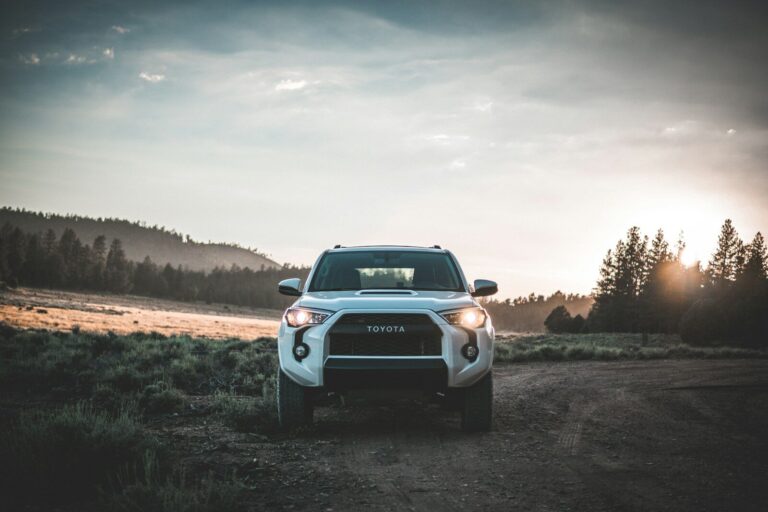
In automotive manufacturing, the place where a vehicle is built can tell you a lot about its design, parts supply, and quality checks. The Toyota Sequoia is made in the United States, at Toyota’s vehicle assembly plant in Princeton, Indiana. This full-size SUV is built for families, long road trips, and drivers who need strong towing power.
The Sequoia combines a twin-turbocharged V6 engine with a hybrid system. Its frame, suspension, body, and powertrain must work as one unit. Each stage of production helps ensure that the finished SUV can handle heavy loads, rough roads, and daily use.
Knowing where the Sequoia is made can also help you understand its build quality, parts supply, and connection to the North American auto industry. However, the assembly location does not mean every component comes from the same place.
Where the Sequoia Is Built Today
The Sequoia’s current assembly plant is different from its original production site. Toyota moved production of this full-size SUV to its Texas truck plant for the 2023 model year, with the change taking effect in 2022. Earlier models were built in Indiana.
Toyota USA Newsroom+1
This change placed the Sequoia alongside Toyota’s full-size pickup manufacturing operations. That arrangement makes practical sense because both vehicles use a body-on-frame design, which means the body and passenger cabin sit on a separate, strong frame.
The factory behind the modern Sequoia
Toyota’s full-size SUV manufacturing operations


6
The assembly facility uses modern manufacturing systems to join the vehicle’s major parts. Workers and automated equipment handle tasks such as body welding, painting, powertrain installation, and final inspection.
These steps must be carefully coordinated. A small error in panel alignment can affect wind noise, while an incorrect connection in a wiring harness can cause an electronic fault. A wiring harness is a bundle of wires that carries power and signals throughout the vehicle.
Why the production site matters to buyers
The factory location can help you identify the vehicle’s production history. It may also matter when you research a used Sequoia, compare model years, or check the origin listed on a vehicle’s paperwork.
Still, a vehicle’s assembly country does not guarantee that every part was made there. Automakers source engines, electronics, sensors, tires, and other parts through complex supply networks.
How the Sequoia Changed Across Generations
The Sequoia has evolved from a traditional V8-powered SUV into a modern hybrid-powered full-size vehicle. Its manufacturing history reflects changes in fuel economy rules, engine technology, passenger comfort, and vehicle safety.
The first generation and early production
The first-generation Sequoia entered production around the turn of the century. It shared key engineering ideas with Toyota’s full-size pickup platform, including a rugged frame and a rear-wheel-drive-based layout.
That design suited drivers who needed space, strength, and the ability to tow a trailer. It also gave the SUV a solid base for four-wheel-drive versions intended for snow, dirt roads, and other demanding conditions.
The second generation and V8 power
The second generation brought a larger body and a stronger focus on towing and family use. A V8 engine, which has eight cylinders arranged in two banks, provided the power needed for heavy loads and highway driving.
This generation retained the traditional feel of a large SUV. Its engine, automatic transmission, and robust frame were designed to cope with high loads, though fuel use could rise sharply in city traffic or while towing.
The third generation and hybrid power
The newer generation introduced a twin-turbocharged V6 hybrid powertrain. A turbocharger uses exhaust gas to force more air into an engine, while the hybrid system combines a combustion engine with an electric motor.
The goal is to provide strong torque, which is the twisting force that helps a vehicle move from a stop or pull a load. The electric motor can deliver torque quickly, while the gasoline engine supports sustained power.
This design marks a major shift in how the Sequoia delivers performance. It keeps the SUV’s full-size purpose but uses newer technology to balance power and efficiency.
How Toyota Builds the Sequoia on the Line
Building a large SUV requires careful control of dimensions, weight, and part fit. Each vehicle moves through a series of linked production stages, with quality checks along the way.
Body stamping and frame preparation
The process starts with metal parts formed into the shapes needed for the vehicle. Stamping uses a press to shape sheet metal into doors, panels, and other body parts.
The frame provides the foundation for the suspension, engine, transmission, and body. Its strength matters because towing and rough-road driving place high loads on the structure.
Welding, paint, and corrosion protection
Welding joins metal parts into a rigid body. Automated systems can repeat these joins with high precision, while workers inspect critical areas for defects.
The body then passes through cleaning, coating, and painting stages. Corrosion protection helps prevent rust from damaging the metal, especially where water and road salt can collect.
Installing the engine and hybrid system
The powertrain is the group of parts that produces and delivers motion. In the modern Sequoia, it includes the gasoline engine, electric motor, battery system, transmission, and supporting electronics.
Workers connect cooling lines, fuel lines, wiring, and other systems. Each connection must be secure because leaks or loose plugs can lead to overheating, poor performance, or warning lights.
The following table summarizes the main production stages and their purpose.
| Production stage | Main task | Quality goal |
|---|---|---|
| Metal stamping | Shape body panels | Correct size and form |
| Frame and body assembly | Join major structures | Strength and alignment |
| Paint and coating | Protect and finish metal | Even coverage and corrosion resistance |
| Powertrain installation | Fit engine and drive system | Secure mounts and connections |
| Interior assembly | Install seats and controls | Correct fit and function |
| Final inspection | Test vehicle systems | Safe, reliable operation |
Each stage depends on the one before it. A body that is out of alignment can create problems later when doors, glass, and trim are fitted.
Final checks help catch faults before the vehicle leaves the plant. These may include checks of lights, brakes, steering, electronic systems, fluid levels, and road performance.
What Materials and Parts Go Into It
A modern SUV is not made from one type of metal or a single group of parts. It combines steel, aluminum, plastics, rubber, glass, electronic components, and fluids.
Steel, aluminum, and structural strength
Steel is used where strength and resistance to heavy loads are important. Aluminum can reduce weight in selected parts, helping balance durability and efficiency.
Material choice depends on the part’s job. A structural frame needs strength and stiffness, while a trim panel needs a good finish and a low weight.
Electronics and hybrid components
The Sequoia’s hybrid system relies on sensors, control modules, electric motors, and high-voltage wiring. A control module is an electronic unit that reads signals and manages a system.
Sensors measure conditions such as temperature, speed, and pressure. The control system uses this information to manage engine output, motor assistance, and energy recovery during braking.
Parts origin versus final assembly
A vehicle may be assembled in one country while using parts made in several others. This is common in the global auto industry, where suppliers specialize in items such as bearings, chips, tires, batteries, and transmission parts.
These differences matter when checking a vehicle’s origin. Final assembly tells you where the complete vehicle was put together, not where every component began.
Here is a simple guide to the terms used when checking manufacturing origin.
| Term | Simple meaning | Why it matters |
|---|---|---|
| Final assembly | The plant where the complete vehicle is put together | Identifies the main build location |
| Parts origin | Where an individual component was made | Shows the wider supply chain |
| Model year | The year designation for a vehicle version | Helps identify design changes |
| VIN | The vehicle identification number | Helps identify the specific vehicle |
| OEM | Original equipment manufacturer | Refers to the maker of a vehicle or original part |
The VIN is especially useful when buying a used Sequoia. It is a unique vehicle identification code that can help you confirm the model year, production details, and other vehicle information.
Does the Factory Affect Build Quality?
Factory location alone is not a reliable measure of vehicle quality. Training, process control, supplier quality, equipment maintenance, and final inspection all play a role.
A well-managed plant follows set procedures and checks whether each vehicle meets the required standards. These controls help reduce errors, but they cannot guarantee that every vehicle will be free from defects.
How quality control works
Quality control means checking that parts and finished products meet defined standards. In vehicle production, checks can happen during body assembly, painting, powertrain installation, and final testing.
Some checks are visual. Others use measurement tools, electronic diagnostics, or automated test systems. A fault found early is often easier to correct than one discovered after the vehicle reaches a customer.
What buyers should look for
When buying a new Sequoia, review the warranty, delivery inspection, and any open safety recalls. When buying a used model, check its service history and look for signs of poor repairs or neglected maintenance.
Pay attention to uneven panel gaps, paint differences, water leaks, unusual engine noise, and dashboard warnings. These signs do not prove a factory defect, but they deserve a closer look.
A simple inspection checklist can help you assess the vehicle without assuming that its build location determines its condition.
| Check | What to inspect | Possible concern |
|---|---|---|
| Body panels | Gaps and panel alignment | Past damage or poor repair |
| Paint | Color and finish consistency | Repainting or surface damage |
| Engine bay | Leaks and loose connections | Poor maintenance or repair |
| Electronics | Warning lights and controls | System faults |
| Service records | Repairs and maintenance | Missing history or overdue care |
A pre-purchase inspection by a qualified mechanic is a wise step for a used full-size SUV. The inspection should cover the engine, transmission, suspension, brakes, tires, hybrid system, and frame condition.
How the Hybrid Powertrain Supports Heavy Use
The modern Sequoia uses a hybrid system designed to deliver strong power for a large SUV. Understanding how it works helps explain why its engineering differs from that of older V8 models.
How the engine and electric motor work together
The gasoline engine provides power for steady driving and sustained loads. The electric motor adds torque when needed, which can help the vehicle move away from a stop or respond to a demand for more power.
The control system manages the interaction between the engine and electric motor. It aims to balance performance, energy use, and battery charge under changing driving conditions.
Regenerative braking and energy recovery
Regenerative braking converts some of the vehicle’s motion into electrical energy during deceleration. Instead of losing all that energy as heat through the brakes, the electric motor acts as a generator and helps recharge the hybrid battery.
This can be useful in stop-and-go traffic, where the vehicle slows down often. The benefit depends on speed, battery charge, driving style, and other conditions.
Towing, heat, and mechanical stress
Towing a heavy trailer places extra demand on the engine, transmission, cooling system, brakes, and tires. Heat rises when the powertrain works hard for long periods, especially on steep roads or in hot weather.
The cooling system moves heat away from key parts to help keep temperatures within safe limits. Regular fluid checks, correct tire pressure, and proper trailer loading remain important even with a powerful hybrid system.
The driving conditions below can affect the vehicle’s workload in different ways.
| Driving condition | Main demand | Helpful practice |
|---|---|---|
| City traffic | Frequent starts and stops | Accelerate smoothly |
| Highway cruising | Sustained engine load | Keep tires at the correct pressure |
| Heavy towing | Extra torque and heat | Follow the rated towing limits |
| Steep descents | Brake heat and control | Use suitable lower-speed control |
| Rough roads | Suspension and tire stress | Inspect tires and underbody parts |
These practices cannot remove all mechanical wear. They can, however, help reduce avoidable stress and support long-term reliability.
How to Confirm Your Sequoia’s Build Origin
If you own a Sequoia or plan to buy one, you can check its specific production details. This is more reliable than guessing from the badge, engine, trim level, or seller’s description.
Find and read the VIN
The VIN is a 17-character code used to identify a modern road vehicle. You can usually find it on a plate near the lower windshield and on the vehicle’s registration documents.
Use the VIN with an official vehicle decoder or manufacturer record to check the vehicle’s details. Do not rely on a single character or an informal online chart if you need a confirmed manufacturing origin.
Check the door-jamb label
Many vehicles have a certification label on the driver’s door or door frame. It may include the manufacture date, vehicle identification number, weight ratings, and compliance information.
The manufacture date is not always the same as the model year. For example, a vehicle built late in one calendar year may be sold as the next model year.
Review the vehicle documents
A dealer’s records, original paperwork, or a manufacturer vehicle record can help confirm where a particular vehicle was assembled. If the vehicle has been imported, check that the documents match the VIN on the vehicle itself.
For used vehicles, this process also helps uncover mismatched paperwork or incorrect model-year claims. If any details conflict, ask the seller or manufacturer to clarify them before completing the purchase.
The following checklist can help you verify the vehicle’s identity and production details before you buy it.
| Record or label | Information to check | Best use |
|---|---|---|
| VIN plate | Vehicle identification number | Match the vehicle to its records |
| Door-jamb label | Build date and certification details | Confirm production information |
| Registration papers | Recorded vehicle identity | Check document consistency |
| Manufacturer records | Model and assembly details | Confirm origin |
| Service history | Repairs and ownership records | Assess used-vehicle condition |
If the VIN and paperwork do not match, pause the purchase until the discrepancy is resolved. A professional vehicle history check can also help identify past damage or other issues.
Frequently Asked Questions About Sequoia Production
Is the Toyota Sequoia made in the USA?
Yes. The modern Toyota Sequoia is assembled in the United States at Toyota’s full-size truck and SUV manufacturing plant in Texas.
Is the Sequoia still made in Indiana?
No. Earlier Sequoia models were assembled in Indiana, but production moved to Texas for the 2023 model year. The change took effect in 2022.
Toyota USA Newsroom+1
Are all Sequoia models built in the same factory?
The current production location is Texas, but older model years were built in Indiana. Always check the production details for the exact vehicle you are considering.
Does a US-built Sequoia use only American parts?
No. A vehicle assembled in the United States can contain parts sourced from multiple countries. Final assembly and the origin of individual components are two different things.
Is a US-built Sequoia more reliable?
Not automatically. Reliability depends on design, manufacturing controls, maintenance, driving conditions, and how well the vehicle has been cared for. The factory location alone does not prove that one vehicle will last longer than another.
Where is the Sequoia’s hybrid system made?
The hybrid system contains several components, and their origins may differ. The final assembly plant does not establish the manufacturing origin of every battery, motor, sensor, or electronic control unit.
How can I tell where my Sequoia was built?
Check the VIN, the vehicle certification label, and manufacturer records. These are more dependable than relying on a seller’s claim or the vehicle’s appearance.
Did the original Sequoia use a hybrid engine?
No. The early generations used gasoline engines, including V8 options. The third generation introduced the twin-turbocharged V6 hybrid powertrain, bringing a major change in engine and energy-management technology.
Final Thoughts on Toyota Sequoia Production
The answer to where is the Toyota Sequoia made depends on the model year. Modern Sequoia models are assembled in the United States at Toyota’s Texas plant, while earlier generations were built in Indiana.
Its production history reflects a shift from a traditional V8 SUV to a modern hybrid model with strong towing ability and advanced electronic controls. The current manufacturing setup also aligns the Sequoia with Toyota’s full-size truck production.
If you are choosing a new or used Sequoia, use the VIN and factory records to verify its origin. Then focus on its maintenance history, condition, safety recalls, and suitability for your needs. Those factors will tell you far more about the individual vehicle than its assembly location alone.