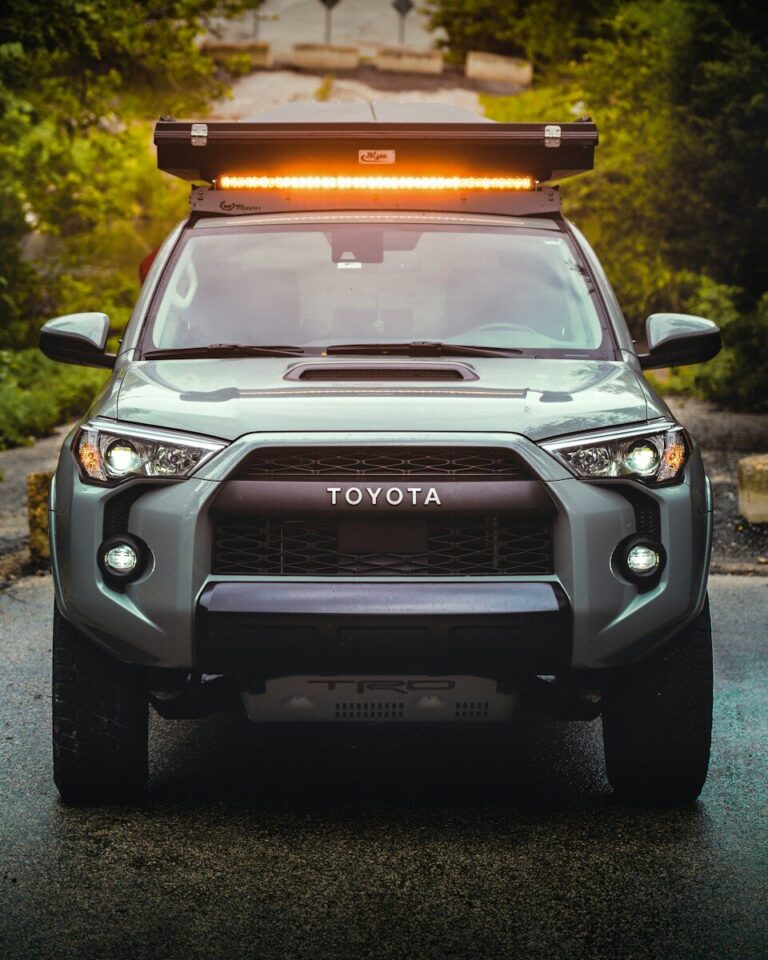
How Much Are the New Toyota Tacomas? 2026 Price Guide and Buying Tips
In automotive buying, the sticker price is only the start. The real cost depends on the trim, engine, drivetrain, optional features, dealer fees, and taxes. The new Toyota Tacoma is a midsize pickup truck, and 2026 models generally fall in the low-$30,000s to the mid-$60,000s before taxes, fees, and optional equipment, depending on the configuration. Higher-performance and off-road versions can cost much more than basic work trucks.
If you are shopping for a new Tacoma, it helps to look beyond the starting price. A basic model may offer all the power and utility you need. A well-equipped model may add better seats, larger screens, advanced off-road gear, or a hybrid powertrain. Those upgrades can make a big difference in both the purchase price and the cost of ownership.
This guide explains the main price factors, trim differences, engine choices, extra costs, and ways to get better value when buying a new Tacoma.
Top Picks for New Toyota Tacoma Buyers Today
The 2026 Tacoma lineup has options for work, daily driving, weekend trips, and serious off-road use. MSRP means the manufacturer’s suggested retail price. It is the starting price set by the manufacturer, not always the final amount you pay.
The base SR is the most affordable choice. The SR5 adds useful comfort and convenience features, while TRD models focus on sportier handling or rough-road driving. The Trailhunter and TRD Pro sit near the top of the range.
Which Tacoma offers the best value?
For many buyers, the SR5 or TRD Sport offers a sensible balance of price and equipment. Buyers who spend time on rocky trails may prefer the TRD Off-Road. Those who want a high-output hybrid and specialized hardware can consider the premium models.
The price range makes more sense when you compare the main trims. These starting prices are for the 2026 U.S. model range and exclude taxes, registration, dealer charges, and optional equipment.
| 2026 Tacoma trim | Starting MSRP | Best suited for |
|---|---|---|
| SR | $32,545 | Basic work and daily use |
| SR5 | $36,635 | Everyday comfort and utility |
| TRD PreRunner | $39,135 | Utility and light off-road use |
| TRD Sport | $40,415 | Street driving and sporty styling |
| TRD Off-Road | $42,815 | Trails and uneven ground |
| Limited | $53,570 | Premium comfort |
| TRD Sport i-FORCE MAX | $47,335 | Sporty hybrid performance |
| TRD Off-Road i-FORCE MAX | $47,635 | Hybrid power and trail capability |
| Limited i-FORCE MAX | $56,895 | Premium hybrid driving |
| Trailhunter | $63,750 | Overlanding and remote trips |
| TRD Pro | $64,750 | High-performance off-roading |
The best trim is not always the most expensive one. If you mainly drive on paved roads and carry tools, the SR5 may do everything you need. If you rarely leave the pavement, paying extra for specialized off-road equipment may offer little practical benefit.
Why some Tacoma models cost so much more
A price increase can reflect more than a larger screen or nicer seats. Advanced suspension parts, hybrid hardware, special tires, skid plates, and extra recovery equipment can all raise the price.
The Trailhunter and TRD Pro are built for demanding outdoor use. Their specialized equipment makes sense for drivers who will use it often. For a normal commute, those upgrades may not justify the extra cost.
Side-by-Side Comparison of Tacoma Prices
Trim names tell only part of the story. Cab style, bed length, engine, transmission, and two-wheel or four-wheel drive can change the final price.
The following comparison focuses on starting prices and the main differences between the available models. Exact equipment depends on the configuration, so check the vehicle’s window sticker before buying.
| Trim group | Approximate starting price | Main advantage |
|---|---|---|
| SR and SR5 | $32,545–$36,635 | Lower entry cost |
| TRD PreRunner and Sport | $39,135–$40,415 | Utility or road-focused features |
| TRD Off-Road | $42,815 | Trail-focused hardware |
| Limited | $53,570 | More comfort and refinement |
| Hybrid TRD models | $47,335–$47,635 | More power and strong low-speed pull |
| Limited Hybrid | $56,895 | Premium features and hybrid power |
| Trailhunter and TRD Pro | $63,750–$64,750 | Specialized off-road capability |
These are base MSRP figures, not guaranteed transaction prices. Options, freight and delivery charges, dealer-installed accessories, and local fees can increase the amount due.
Gas engine or hybrid powertrain?
Most gas-powered Tacomas use a 2.4-liter turbocharged four-cylinder engine. A turbocharger uses exhaust energy to push more air into the engine, helping it produce more power from a small engine.
The i-FORCE MAX hybrid combines a turbocharged engine with an electric motor. It can deliver up to 326 horsepower and 465 lb-ft of torque in applicable configurations. Torque is the twisting force that helps a truck accelerate and pull heavy loads.
The hybrid system costs more on some trims, but it offers stronger output. The right choice depends on your budget, how you drive, and whether you need the extra performance.
Two-wheel drive or four-wheel drive?
Two-wheel drive is often the cheaper option and can suit paved roads and light-duty work. Four-wheel drive sends power to all four wheels when needed, improving traction on loose gravel, mud, snow, and some rough trails.
Four-wheel drive does not make a truck immune to getting stuck. Tires, ground clearance, driver skill, and road conditions still matter. If you do not regularly face slippery or rough terrain, consider whether the added hardware is worth its cost.
In-Depth Reviews of Popular Tacoma Trims
The best way to judge a Tacoma is to match its equipment to your daily needs. A lower trim can be a smart purchase if it covers your work and travel needs without costly extras.
Tacoma SR: The budget-friendly option
The SR starts at $32,545. It is aimed at buyers who want a new pickup without paying for luxury features or specialized trail equipment.
It can suit basic hauling, commuting, and general work. Its simpler equipment can also make it easier to avoid paying for features you may never use. Check the cab configuration carefully, as seating and storage vary.
Tacoma SR5: A practical daily truck
The SR5 starts at $36,635. It is worth considering if you want a more versatile truck for work during the week and personal use on weekends.
Depending on the configuration, it offers useful bed and cabin choices. Buyers should compare the exact feature list with the SR before deciding whether the price increase is worthwhile.
Tacoma TRD Sport: For paved roads and style
The TRD Sport starts at $40,415. It adds a sport-focused suspension setup and styling features that appeal to drivers who spend most of their time on paved roads.
It can still handle ordinary truck duties. However, its equipment is aimed more at road manners and appearance than the specialized trail hardware found on the TRD Off-Road.
Tacoma TRD Off-Road: For rough terrain
The TRD Off-Road starts at $42,815. Its trail-focused suspension and available equipment make it a strong option for drivers who regularly travel on uneven surfaces.
Before choosing it, think about how often you will actually leave paved roads. If off-road trips are rare, the SR5 or TRD Sport may provide better value.
Tacoma Trailhunter and TRD Pro
The Trailhunter starts at $63,750, while the TRD Pro starts at $64,750. Both use the i-FORCE MAX hybrid powertrain and focus on demanding outdoor driving.
The Trailhunter emphasizes overlanding, which means traveling to remote places with equipment for extended trips. The TRD Pro emphasizes high-performance off-road driving, with specialized suspension and other trail-oriented parts.
These trucks are impressive, but they are not necessary for every owner. A buyer who needs a reliable daily work truck may gain more from saving the difference or spending it on useful cargo equipment.
Ultimate Buying Guide for Your New Tacoma
A good buying decision starts with a clear budget. Look at the full cost of ownership, not just the number displayed on the vehicle.
Work out your total purchase price
The out-the-door price is the full amount you pay to complete the purchase. It can include the truck, delivery charges, dealer fees, accessories, taxes, and registration.
The final total can differ from MSRP. Ask for an itemized written quote so you can see each charge and compare offers fairly.
The following example shows how additional costs can affect a purchase. These figures are illustrative, not a quote for a particular truck.
| Purchase item | Example amount |
|---|---|
| Base vehicle price | $36,635 |
| Optional accessories | $1,000 |
| Delivery and documentation fees | $1,500 |
| Illustrative taxes and registration | $2,500 |
| Example total | $41,635 |
The added costs in this example total $5,000. Actual charges can be lower or higher, and taxes depend on the buyer’s circumstances. Ask which fees are required and which accessories can be removed.
Compare monthly payments with total cost
A low monthly payment can look attractive, but a longer loan may mean paying more interest over time. The down payment, interest rate, loan length, and amount borrowed all affect the result.
For example, a $40,000 loan at a 6% annual interest rate for 60 months would cost about $773 per month before any other expenses. The exact payment depends on the loan terms and fees.
Compare the total amount repaid, not only the monthly figure. Also leave room in your budget for fuel, insurance, tires, and scheduled maintenance.
Choose the right cab and bed size
The XtraCab is a more utility-focused cab, while the Double Cab provides a larger passenger area. Bed length affects how much cargo you can carry and how easy the truck is to park.
Think about what you transport most often. Long tools, building supplies, camping gear, and family passengers may call for different configurations. A larger cab is not always the best choice if bed space is your main priority.
Check the options before signing
Packages can add comfort, safety, or off-road capability. Some features are bundled, so a particular upgrade may require paying for other equipment as well.
Check the window sticker, which lists the vehicle’s factory equipment and pricing. Confirm the engine, transmission, drive system, bed size, warranty terms, and accessories before signing the final paperwork.
Estimate fuel and ownership expenses
Fuel economy depends on engine, drivetrain, tire choice, load, and driving conditions. Stop-and-go traffic, frequent towing, and aggressive acceleration can all raise fuel use.
The gas and hybrid versions have different strengths. The hybrid can provide more power and may use less fuel in some conditions, but the purchase price is only one part of the equation.
Use this simple example to estimate annual fuel costs. The fuel price and distance are hypothetical, so replace them with your own numbers.
| Driving estimate | Example value |
|---|---|
| Annual distance | 12,000 miles |
| Average fuel economy | 22 mpg |
| Annual fuel use | About 545 gallons |
| Example fuel price | $3.50 per gallon |
| Estimated annual fuel cost | About $1,909 |
The calculation divides annual miles by miles per gallon, then multiplies the gallons used by the fuel price. Your actual fuel cost will depend on your truck’s configuration and your driving habits.
Plan for routine maintenance
Every vehicle needs regular care. Engine oil, filters, brakes, tires, and other parts wear with use. Following the correct service schedule can help protect the engine and other systems over time.
A hybrid model also has electrical components that require proper inspection and service. Routine maintenance does not eliminate every repair risk, but it helps you spot wear before it becomes a larger problem.
| Maintenance item | Why it matters | Cost planning tip |
|---|---|---|
| Engine oil and filter | Helps reduce engine wear | Follow the correct service schedule |
| Tire rotation | Helps even out tire wear | Check tire pressure often |
| Brake inspection | Finds wear and damage | Inspect if noise or vibration develops |
| Air filters | Help keep air flowing cleanly | Replace as specified |
| Fluids and inspections | Help protect key systems | Use the vehicle’s service manual |
Costs vary by service provider, parts, and vehicle configuration. Ask for a maintenance schedule and estimate before buying, especially if you plan to keep the truck for many years.
Avoid common buying mistakes
One common mistake is choosing a trim based only on appearance. Large wheels, special paint, and rugged styling may look appealing, but they do not always add practical value.
Another mistake is ignoring payload and towing needs. Payload is the weight a truck can carry, including passengers and cargo. Towing capacity is the maximum trailer weight allowed under the specified conditions. Both vary by configuration, so check the exact truck’s ratings before hauling.
Also, do not assume every advertised vehicle has the same equipment as the model shown in a review. Check the exact model year, trim, options, and final price. That simple step can prevent expensive surprises.
Frequently Asked Questions About Tacoma Prices
The price of a new Tacoma depends on the model and equipment. These answers cover the most common questions buyers ask before visiting a dealership.
How much is the cheapest new Toyota Tacoma?
The 2026 Tacoma SR has a starting MSRP of $32,545 in the U.S. before taxes, fees, and optional equipment. The final price may be higher depending on the configuration and dealer charges.
How much is a fully loaded Toyota Tacoma?
The TRD Pro starts at $64,750, while the Trailhunter starts at $63,750. Optional accessories, delivery charges, and dealer-installed equipment may push the final price higher.
Is the Toyota Tacoma hybrid worth the extra money?
It may be worth considering if you want more power and stronger low-speed pulling ability. The hybrid powertrain can produce up to 326 horsepower and 465 lb-ft of torque in applicable models. Whether it is worth the extra cost depends on how you use the truck and how long you plan to own it.
How much should I budget for a new Tacoma?
Start with the base price of the trim you want, then add taxes, registration, delivery charges, accessories, insurance, and financing costs where applicable. Request a written quote for the exact configuration before setting your final budget.
Are new Toyota Tacomas good for everyday driving?
Yes, they can work well as daily vehicles. The best choice depends on parking space, passenger needs, fuel costs, and ride comfort. A lower or mid-range trim may be more practical than a specialized off-road model if you mostly drive on paved roads.
Does four-wheel drive cost more?
Often, yes. Four-wheel-drive equipment can add to the purchase price, and it may affect fuel economy and maintenance costs. Availability and pricing depend on the trim and configuration.
Can I negotiate the price of a new Tacoma?
You can ask for a lower selling price, compare written quotes, and question optional accessories or dealer-installed products. Discounts depend on demand, inventory, incentives, and the specific vehicle. A clear, itemized quote makes comparisons easier.
Final Recommendation for Your New Tacoma
The 2026 Toyota Tacoma starts at $32,545 for the SR and reaches $64,750 for the TRD Pro, before taxes, fees, and options. Your best choice depends on whether you need a work truck, a comfortable daily driver, or a specialized off-road vehicle.
For most buyers, the SR5 and TRD Sport deserve a close look. They offer useful everyday features without the high starting prices of the premium models. The TRD Off-Road is worth considering if rough terrain is part of your regular driving.
If you want maximum power and specialized equipment, the hybrid Trailhunter and TRD Pro offer more capability at a much higher cost. Choose them when their features match your actual needs.
Before you buy, compare the exact specifications, request an itemized quote, and calculate your expected monthly and yearly expenses. The best Tacoma is not necessarily the most expensive one; it is the one that delivers the features and capability you will use for the money you spend.