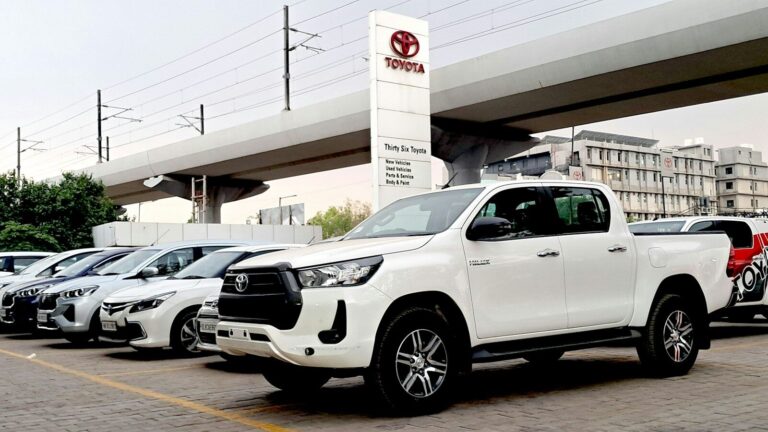

Is Toyota Yaris a Good Car? Reliability, Costs, and Buying Tips
In my experience with common car designs and workshop maintenance, a good small car must do three things well: start every day, use little fuel, and cost less to keep on the road. The Toyota Yaris does these jobs well. Yes, the Toyota Yaris is a good car for most drivers who want strong reliability, easy parking, good fuel economy, and low running costs. However, it is not perfect. Some versions feel slow on highways, older cars may have wear-related faults, and cabin space can be tight for larger families.
The best choice depends on the model year, engine, gearbox, safety equipment, and service history. A well-kept Yaris can be a smart used-car purchase. A neglected one can still bring costly repairs.
This guide covers real-world driving, mechanical design, common faults, maintenance, safety, and the checks worth making before you buy.
Common Causes of Toyota Yaris Ownership Issues
The Yaris has a strong record for simple, practical transport, but no car is free from problems. Age, poor servicing, harsh use, and worn parts can affect how well it performs.
Why the model year matters so much
The Yaris has changed through several generations. Older versions often use simple petrol engines and conventional automatic or manual gearboxes. Newer versions may offer better safety systems, improved cabin design, and hybrid power.
A hybrid uses a petrol engine and an electric motor to move the car. This can cut fuel use in slow traffic, where a standard petrol engine often wastes more energy.
Still, features vary by year and model. Never assume that every Yaris has the same engine, gearbox, safety kit, or fuel economy.
How poor maintenance affects reliability
Even a reliable engine needs clean oil, proper cooling, and regular checks. Engine oil reduces friction between moving parts. Old or low oil can increase wear and, in severe cases, damage the engine.
Coolant carries heat away from the engine. A leak or failing cooling part can cause overheating. Ignoring a rising temperature gauge can turn a small fault into a major repair.
The risks of buying a neglected used car
A low price may hide missed services, accident damage, or poor-quality repairs. Look for uneven tire wear, fluid leaks, warning lights, and rough engine operation.
Ask for service records and compare the mileage with the car’s overall condition. A worn steering wheel, damaged seat, and badly worn pedals may raise questions if the odometer shows very low mileage.
Side-by-Side Comparison of the Best Yaris Options
Choosing the right Yaris means balancing price, fuel use, comfort, and repair risk. A newer car may cost more upfront but offer better safety features and less age-related wear.
These broad comparisons can help narrow your search. Exact equipment and performance depend on the year, engine, transmission, and trim level.
| Yaris type | Main advantage | Main drawback |
|---|---|---|
| Older petrol model | Simple design and lower purchase price | Age-related wear |
| Newer petrol model | Better comfort and modern features | Higher purchase price |
| Hybrid model | Lower fuel use in urban traffic | More complex powertrain |
| Manual gearbox | Direct control and simple operation | Clutch wear in used cars |
| Automatic gearbox | Easy driving in traffic | Repair costs vary by gearbox type |
Which version suits daily city driving?
A small petrol Yaris is a strong choice for short trips, errands, and busy roads. Its compact body makes parking easier than in many larger sedans or SUVs.
A hybrid can be even more efficient in stop-and-go traffic. Its electric motor can assist the petrol engine, while regenerative braking converts some slowing energy into stored battery power.
Which version suits long highway trips?
A newer Yaris may offer better noise control, safety technology, and comfort than an older model. However, engine power and cabin space remain important limits.
If you often carry several adults or drive at high speeds for long periods, test the car on a highway before buying. A larger hatchback or sedan may offer a calmer ride and more room.
Should you buy petrol or hybrid?
Petrol models suit drivers who want a straightforward car and have access to affordable routine servicing. Hybrid models are attractive if you spend many hours in heavy traffic.
The best choice depends on the total cost of ownership, not fuel economy alone. Include the purchase price, likely repairs, battery condition where relevant, and expected resale value.
In-Depth Reviews of the Toyota Yaris Options
The Yaris is not one fixed package. Different generations and powertrains can feel very different behind the wheel.
Older petrol Yaris models
Older petrol versions appeal to buyers who want basic transport without paying for the latest technology. Their small engines can be economical, and their compact shape works well in crowded streets.
The main concern is age. Rubber seals, suspension bushes, engine mounts, and cooling hoses can harden or wear over time. These parts help absorb movement, control vibration, and keep fluids inside their systems.
A car with regular service records is usually a better bet than a cheaper car with an unclear history. Get an independent inspection before you commit.
Newer petrol Yaris models
Newer petrol models can provide a better mix of safety, comfort, and fuel savings. Depending on the version, you may find a more refined cabin, updated driver aids, and improved engine efficiency.
However, do not judge a car by its age alone. Check the actual equipment list, service schedule, and condition of its gearbox and engine.
A road test should include a cold start, slow traffic, a rough road, and steady cruising. Listen for rattles, test the brakes, and check that the steering feels smooth.
Hybrid Yaris models
Hybrid versions combine a petrol engine, an electric motor, and a battery pack. The control system shifts between power sources to reduce fuel use under suitable conditions.
This setup can be especially useful in slow traffic. The electric motor helps the car pull away, while regenerative braking sends some energy back to the battery.
Hybrid systems are more complex than basic petrol systems, though. Before buying a used hybrid, ask for a suitable diagnostic scan and a check of the high-voltage battery and cooling system. A hybrid specialist may be needed if warning lights appear.
Manual versus automatic transmissions
A manual gearbox lets the driver select gears and uses a clutch to connect the engine to the transmission. A worn clutch may slip, smell burnt, or struggle to transfer power.
An automatic gearbox changes gears without a clutch pedal. Its design varies across Yaris generations, so the correct checks and service needs depend on the exact transmission.
Do not assume all automatic Yaris models use the same system. Check the transmission code and service guidance before planning maintenance or estimating repair costs.
Ultimate Buying Guide: What to Look For
A used Yaris can be an excellent purchase if its condition matches its price. The most useful checks focus on the engine, gearbox, suspension, brakes, electronics, and maintenance records.
Inspect the engine before the test drive
Ask to start the engine when it is cold. A seller who warms the car before your visit may make some starting problems harder to notice.
The engine should start without excessive cranking. Listen for deep knocks, repeated metallic rattles, or an uneven idle. Brief noises can have several causes, so let a mechanic assess any sound that persists.
Check beneath the car for fresh oil, coolant, or transmission fluid. A small stain does not prove a major fault, but the source should be identified before purchase.
Test the gearbox and steering
During the drive, the car should respond smoothly to the accelerator. Manual gears should engage without grinding, while an automatic should not show severe slipping, harsh engagement, or unexplained delays.
Test the steering at low speed and on a straight road. The car should track steadily without strong pulling or repeated vibration.
A wheel alignment problem can cause uneven tire wear. However, damaged suspension parts, worn steering joints, and accident damage can create similar symptoms.
Check the brakes and suspension
Brake the car gently, then use firmer pressure in a safe place. The pedal should feel consistent, and the car should stop without strong pulling or shaking.
Listen when driving over small bumps. Clunks can point to worn suspension joints, bushes, or mounting parts. A mechanic should inspect the source rather than replace parts based on noise alone.
The following checklist gives a practical starting point when viewing a used car.
| Item to inspect | What to check | Warning sign |
|---|---|---|
| Engine | Cold start and idle | Persistent knocking |
| Gearbox | Shifts and response | Slipping or grinding |
| Cooling system | Coolant level and leaks | Overheating history |
| Brakes | Pedal feel and stopping | Pulling or vibration |
| Suspension | Noise over bumps | Clunks or loose handling |
| Tires | Tread and wear pattern | Uneven wear |
| Electronics | Warning lights and controls | Faults or missing functions |
Do not rely on a short drive alone. Ask for a full inspection, including the underside, fluid condition, and electronic fault codes.
Use an OBD-II scan when possible
OBD-II means On-Board Diagnostics, a system that lets a scan tool read certain vehicle faults. A mechanic can check stored trouble codes, which help identify problems in systems such as the engine and emissions controls.
A code is a clue, not a final diagnosis. For example, an oxygen-sensor code may result from a failed sensor, wiring trouble, an exhaust leak, or another engine problem.
Do not buy a car simply because the dashboard warning lights are off. Some faults may have been cleared shortly before the sale. A thorough scan and road test offer better protection.
Understand ownership and repair costs
The purchase price is only one part of the cost. Fuel, tires, routine servicing, insurance, registration, and unexpected repairs all affect your budget.
Actual repair prices vary by model year, parts quality, labor rates, and local supply. The following table gives a way to judge the likely budget burden without pretending that one price fits every car.
| Expense | Typical budget impact | What changes the cost |
|---|---|---|
| Oil and filter service | Low | Oil grade and filter choice |
| Brake pads | Low to moderate | Parts and labor |
| Tires | Moderate | Size and tire quality |
| Suspension repairs | Moderate | Number of worn parts |
| Clutch replacement | Moderate to high | Labor and transmission |
| Hybrid battery repair | Potentially high | Battery condition and repair method |
| Major engine repair | High | Damage and parts availability |
These are relative cost categories, not price quotes. Get a written estimate based on the exact model and fault before approving a repair.
Review service records and recall status
Look for regular oil changes and evidence that major scheduled services were completed. Check whether the engine, gearbox, cooling system, and brakes have needed repairs.
Ask a qualified service center to check the vehicle identification number, or VIN, for open safety recalls. A recall is a manufacturer-led repair or replacement for a safety-related or other covered defect.
Also check the ownership documents, mileage history, and accident record where available. A car with a clear history and a documented service record is often worth more than one with an attractive price but unanswered questions.
Common Mistakes Buyers Make Today
Many used-car problems begin with a rushed decision. A careful inspection can save far more than it costs.
Choosing the cheapest car without checking it
A low price can reflect urgent selling, but it can also hide mechanical damage. Compare cars with similar ages, engines, equipment, and mileage rather than comparing prices alone.
Budget for immediate maintenance if the history is incomplete. Even a good car may need fresh fluids, tires, or brake parts after purchase.
Ignoring the gearbox and warning lights
Some buyers focus only on engine noise and body condition. Yet a transmission fault or an electronic problem can also be costly.
Check that all dashboard warning lights illuminate during the normal startup check and then behave as expected. If a warning remains on, identify the cause before negotiating the final price.
Assuming every Yaris is equally economical
Fuel use depends on engine size, transmission, traffic, driving style, tire pressure, and maintenance. A hybrid may offer a strong advantage in urban traffic, while the difference may be smaller on some steady highway trips.
Ask the seller about real-world fuel use, but treat claims as estimates. If possible, calculate fuel consumption over a known distance rather than relying on a single dashboard reading.
Compare total ownership costs before deciding
A car that saves fuel but needs expensive repairs may not be the cheapest choice over several years. Think about how long you plan to keep it and how far you drive each day.
This simple comparison helps you weigh the main ownership factors before making an offer.
| Ownership factor | Petrol Yaris | Hybrid Yaris |
|---|---|---|
| Urban fuel economy | Often good | Often better |
| Powertrain complexity | Lower | Higher |
| Battery service needs | Standard 12-volt battery | 12-volt and hybrid battery systems |
| Stop-and-go traffic | Good | Particularly well suited |
| Used-car inspection | Engine and gearbox checks | Engine, hybrid system, and battery checks |
The exact result depends on the year and condition of each car. A well-maintained petrol model may be a better buy than a neglected hybrid with an uncertain battery history.
Frequently Asked Questions
These common questions can help you decide whether the Yaris fits your daily driving needs and budget.
Is Toyota Yaris reliable for daily use?
Yes, the Yaris is generally known for dependable everyday transport. Regular servicing, sound cooling, and timely repairs help it stay reliable.
The condition of an individual car matters more than its badge. Always inspect a used example before buying.
How long can a Toyota Yaris last?
A well-maintained Yaris can serve for many years and may reach high mileage. There is no guaranteed lifespan because driving conditions, service quality, and past damage all affect durability.
Regular oil changes, cooling-system checks, and prompt repairs can help extend its useful life.
Is Toyota Yaris fuel-efficient?
Yes, fuel economy is one of its key strengths. Small petrol engines can use relatively little fuel, while hybrid versions can be especially efficient in urban traffic.
Actual consumption varies with the engine, gearbox, road conditions, and driving habits.
Is Toyota Yaris good for highway driving?
It can handle regular highway trips, but comfort depends on the model. Smaller engines may need more effort when climbing hills or passing other vehicles.
Test cabin noise, seat comfort, acceleration, and high-speed stability before buying one for frequent long journeys.
Is Toyota Yaris expensive to maintain?
Routine maintenance is generally manageable compared with that of many larger or more complex cars. Oil, filters, tires, and brake parts still need regular replacement.
Costs can rise if the car has neglected maintenance, gearbox damage, major engine faults, or hybrid-system problems.
Is a used Toyota Yaris worth buying?
Yes, if the price is fair and the car passes a proper inspection. Look for service records, smooth gear changes, healthy brakes, and a clean diagnostic scan.
Avoid rushing into a purchase because the seller claims the car needs no work.
Is the Toyota Yaris safe?
Safety depends on the model year, market version, and fitted equipment. Some versions have advanced driver assistance systems, while older or lower-specification versions may have fewer features.
Check the exact car for airbags, stability control, crash-test information relevant to its generation, and any open recalls.
Should I buy a petrol or hybrid Yaris?
Choose petrol if you want a simpler powertrain and your driving pattern does not justify the extra hybrid cost. Choose hybrid if you spend much of your time in slow traffic and the battery system checks out.
Compare purchase price, expected fuel savings, repair access, and resale value before deciding.
Final Recommendation for Your Vehicle
The Toyota Yaris is a good car for buyers who value reliability, fuel savings, easy parking, and practical daily transport. It is especially appealing for commuting, errands, and driving in crowded streets.
Its main limits are modest cabin space, less power in some versions, and a ride that may feel less settled than that of a larger car. Hybrid models also need a more careful inspection of their electrical systems.
Before buying, follow three simple rules:
- Choose the best-maintained car you can afford, not just the newest or cheapest.
- Test the engine, gearbox, brakes, steering, and suspension.
- Get a professional inspection and check the service and recall history.
If the car passes these checks and suits your space and performance needs, a Toyota Yaris can be a sensible long-term purchase.