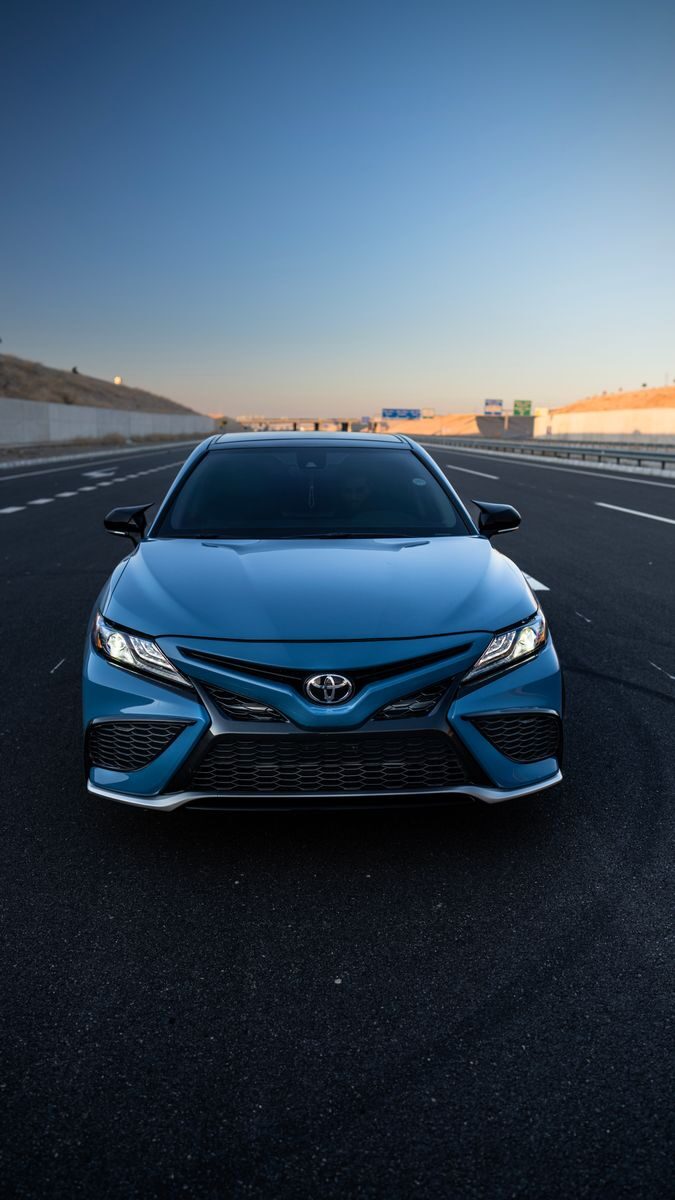
What Is a Hybrid Car Toyota? How Toyota Hybrid Cars Work
In automotive engineering, one of the most useful advances is the hybrid powertrain. A Toyota hybrid car combines a gasoline engine with an electric motor to improve fuel economy and reduce emissions. The two power sources work together to move the car. The system can also recover energy during braking and use it later. This makes a Toyota hybrid a smart choice for drivers who want to save fuel without relying on an external charging station.
Toyota has used hybrid technology in passenger cars, sedans, hatchbacks, and SUVs. Its hybrid models suit daily commutes, family trips, and long highway drives. However, a hybrid car works differently from a standard gasoline car. Knowing how it works can help you choose the right model and care for it over time.
Exact Definition of a Toyota Hybrid Car
A Toyota hybrid car uses two power sources: a gasoline engine and an electric motor. A battery stores electrical energy, while a control system decides when to use each power source.
Unlike a fully electric car, a regular Toyota hybrid does not need to plug into a charger. It gets energy from gasoline and recovers some energy while slowing down.
What makes a Toyota hybrid different?
A standard gasoline car relies on its engine for nearly all driving power. A Toyota hybrid can use its electric motor at low speeds, combine both power sources during acceleration, or rely mainly on the gasoline engine when needed.
The system adjusts these choices automatically. The driver does not need to switch between the engine and motor by hand.
Toyota hybrid versus a plug-in hybrid
Toyota offers different types of hybrid vehicles. A regular hybrid charges its battery through the engine and regenerative braking. A plug-in hybrid has a larger battery and can also charge from an external power source.
A plug-in model can often travel farther on electric power alone. A regular hybrid is simpler to refuel because it uses gasoline and does not require charging equipment.
Common Toyota hybrid models
Several Toyota model lines have offered hybrid versions. Availability depends on the model year and market.
- Prius: A compact car known for its focus on fuel economy.
- Corolla Hybrid: A practical sedan with hybrid power.
- Camry Hybrid: A midsize sedan that blends comfort and efficiency.
- RAV4 Hybrid: An SUV with added space and available all-wheel drive.
- Highlander Hybrid: A larger SUV designed for family use.
Not every model is available in every market. Always check the specifications for the exact vehicle you plan to buy.
Mechanics of How Toyota Hybrid Systems Work
A Toyota hybrid uses several connected parts to manage power. The engine, electric motor, battery, and electronic controls work as one system.
The gasoline engine
The gasoline engine burns fuel to create mechanical power. That power can move the car directly or help generate electricity, depending on the hybrid design.
The engine may shut off when it is not needed. This can reduce fuel use during stops and some low-speed driving conditions.
The electric motor and generator
An electric motor converts electrical energy into movement. It can help the car start moving, improve acceleration, and support the gasoline engine when more power is needed.
Many Toyota hybrid systems also use a motor-generator. This device can act as both a motor and a generator. In generator mode, it converts mechanical energy into electricity.
The hybrid battery
The hybrid battery stores electrical energy for the motor. Depending on the model and generation, it may use nickel-metal hydride or lithium-ion battery technology.
The battery is designed for repeated charging and discharging. It is not the same as a conventional 12-volt battery, which powers many accessories and helps start or activate the vehicle’s electrical systems.
The power control unit
The power control unit manages the flow of electricity between the battery, motor, and other electrical components. It contains electronic circuits that regulate power and help protect the system.
The control software considers factors such as speed, battery charge, accelerator input, and temperature. It then chooses an efficient way to deliver power.
The power-split system
Many Toyota hybrids use a power-split device connected to the engine and motor-generators. This arrangement helps divide engine power between driving the wheels and generating electricity.
Some systems use an electronically controlled continuously variable transmission, often called an e-CVT. In many Toyota hybrids, this is a power-split transmission rather than a conventional belt-and-pulley CVT.
The result is smooth acceleration without the usual fixed gear changes found in many traditional automatic transmissions.
Why Toyota Hybrid Technology Matters for Engines
Hybrid technology changes how a gasoline engine works during daily driving. It can reduce wasted energy and limit the time the engine runs when the car does not need it.
Less fuel waste in city traffic
A gasoline engine can waste fuel while idling at a traffic light. A Toyota hybrid can often shut the engine off when the vehicle stops, provided the battery, cabin heating, and other operating conditions allow it.
The electric motor can also help the car move at low speeds. This is useful in stop-and-go traffic, where a standard gasoline car may use more fuel.
Better use of braking energy
In a conventional car, much of the vehicle’s motion energy becomes heat in the brakes. Regenerative braking changes part of that process.
During deceleration, the electric motor works as a generator. It converts some of the car’s movement into electrical energy and sends it to the hybrid battery.
The recovered energy can then help power the motor later. This improves efficiency, although it does not recover all the energy lost during braking.
Reduced engine workload
The electric motor can provide extra torque when the driver accelerates. Torque is the turning force that helps a vehicle move from a stop or climb a hill.
Because the motor assists the engine, the system can meet some driving demands without requiring the gasoline engine to do all the work alone.
However, the engine may still run at higher speeds, during strong acceleration, or when the battery needs energy.
Core Benefits of a Toyota Hybrid Car
Toyota hybrids offer several practical advantages. The exact benefits depend on the vehicle, driving style, weather, and maintenance condition.
Improved fuel economy
Fuel economy measures how far a vehicle travels using a given amount of fuel. Hybrid systems often perform especially well in city driving because they can shut off the engine during stops and recover energy during braking.
For example, a driver who spends much of the day in slow traffic may benefit more than someone who drives almost entirely on a steady-speed highway.
Official fuel economy figures vary by model year, trim, wheel size, and testing method. Check the published figures for the exact vehicle rather than assuming every Toyota hybrid has the same efficiency.
Smooth and quiet driving
Electric motors deliver torque quickly. This helps many Toyota hybrids move smoothly from a standstill.
When the gasoline engine is off, the vehicle can also be very quiet. During acceleration, the engine may become more noticeable because the system can raise its speed to meet power demands.
Lower tailpipe emissions
A hybrid can burn less gasoline than a comparable conventional vehicle. Lower fuel use usually means lower carbon dioxide emissions from the tailpipe.
Emissions of other pollutants also depend on engine design, exhaust treatment, maintenance, and driving conditions. A hybrid still burns gasoline, so it is not a zero-emission vehicle.
No routine external charging
A regular Toyota hybrid does not need a home charging station. It uses gasoline and recovers energy through regenerative braking.
This can be convenient for drivers who park outdoors, live in apartments, or do not have access to charging equipment.
Strong everyday practicality
Many Toyota hybrids drive much like conventional automatic cars. They do not usually require special driving skills or manual battery management.
The driver can focus on the road while the hybrid system manages the power sources automatically.
Potential Drawbacks and Failure Points
A Toyota hybrid is not perfect for every driver. Its benefits should be weighed against purchase price, repair needs, driving conditions, and long-term ownership costs.
Higher purchase price
Some hybrid versions cost more than similar gasoline models. The difference may be recovered through fuel savings, but the result depends on annual mileage and fuel prices.
A driver who travels very little may take longer to recover the extra purchase cost. Compare the total cost of ownership rather than looking only at fuel economy.
Hybrid battery aging
Like all rechargeable batteries, a hybrid battery can lose capacity over time. Heat, age, operating conditions, and battery design can affect its useful life.
A battery problem may cause warning lights, reduced efficiency, or limited hybrid performance. These symptoms do not prove the battery itself has failed. A trained technician should test the system before replacing expensive parts.
Specialized repairs
Hybrid systems include high-voltage components. These require suitable training, insulated equipment, and approved service procedures.
Some repairs may cost more than routine gasoline-car work. Parts availability, local labor rates, warranty coverage, and the exact model can all affect the final bill.
Less benefit on some highway trips
Hybrids can still be efficient on highways, but the advantage over a conventional gasoline car may shrink during steady-speed driving.
At a constant speed, there may be fewer opportunities to recover braking energy. Aerodynamic drag, vehicle weight, tire condition, and engine efficiency become major factors.
Cabin heating and cold weather
In cold conditions, the engine may run more often to warm the cabin and bring the powertrain to its preferred operating temperature.
Low temperatures can also reduce battery performance temporarily. As a result, winter fuel economy may be lower than it is in mild weather.
Common Misunderstandings About Toyota Hybrids
Hybrid technology is often misunderstood. Knowing what the system can and cannot do helps prevent costly mistakes.
Does every Toyota hybrid need charging?
No. A regular Toyota hybrid does not need an external charger. Its battery receives energy from regenerative braking and the hybrid system.
A Toyota plug-in hybrid is different. It can charge from an external power source and generally has a larger battery for electric-only driving.
Can a Toyota hybrid run without gasoline?
A regular hybrid is not designed to operate indefinitely without gasoline. Even when the electric motor moves the vehicle, the system still depends on its gasoline engine and fuel supply.
If the fuel tank becomes empty, the vehicle may stop or refuse to operate normally. The hybrid battery is not a substitute for fuel.
Is a hybrid battery the same as a 12-volt battery?
No. The hybrid battery stores energy for the traction motor. The 12-volt battery supports control systems and many vehicle accessories.
A weak 12-volt battery can cause starting or system-activation problems. It can sometimes create warning messages that look like a larger hybrid fault.
Do hybrid cars need less maintenance?
Some maintenance needs may be reduced. For example, regenerative braking can reduce friction-brake wear in suitable driving conditions.
However, hybrids still need engine oil, filters, coolant checks, tires, brake inspections, and other routine service. The maintenance schedule for the exact model should always guide the work.
Frequently Asked Questions About Toyota Hybrids
These answers address common questions from drivers who are considering a Toyota hybrid or already own one.
How long does a Toyota hybrid battery last?
There is no single lifespan for every hybrid battery. Battery life depends on age, temperature, driving conditions, maintenance, and the battery design.
Some batteries last for many years, but no exact mileage or replacement date is guaranteed. A proper diagnostic test is more useful than relying on age alone.
Are Toyota hybrid cars reliable?
Many Toyota hybrid systems have a long history of use. Reliability still depends on the specific model, service history, condition, and how the vehicle has been used.
A used hybrid should receive a full inspection, including a hybrid-system health check and review of stored diagnostic trouble codes.
Do Toyota hybrids use regular gasoline?
Fuel requirements vary by model and engine. Many Toyota hybrids use regular unleaded gasoline, while some vehicles may require a different grade.
Always follow the fuel specification in the owner’s manual or on the vehicle’s fuel information label.
Can I drive a Toyota hybrid through deep water?
Do not assume a hybrid is safe in deep water simply because it has an electric motor. Floodwater can damage electrical systems, the engine, and other vehicle components.
Follow the vehicle’s stated water-crossing limits. Never touch exposed high-voltage parts or attempt to inspect a submerged hybrid without proper training.
Does a Toyota hybrid have a normal transmission?
Many Toyota hybrids use an e-CVT power-split transmission. It often feels different from a conventional automatic transmission because it does not shift through fixed gears in the same way.
Other hybrid designs may use different transmission arrangements. Confirm the transmission type for the exact model and year.
Is a Toyota hybrid worth buying?
It can be a good choice if you want lower fuel use, smooth driving, and the convenience of not needing an external charger.
Before buying, compare the price difference, expected fuel savings, warranty, maintenance history, and condition of the hybrid battery. A well-maintained gasoline model may still make more financial sense for some drivers.
Final Thoughts on Toyota Hybrid Car Technology
A Toyota hybrid car combines a gasoline engine, electric motor, battery, and electronic controls to improve how energy is used. It can recover braking energy, reduce engine idling, and deliver smooth power without requiring external charging in a regular hybrid model.
The biggest advantages often appear in everyday driving, especially in traffic with frequent stops. Yet fuel savings and repair costs vary with the model, climate, driving habits, and vehicle condition.
If you are choosing a Toyota hybrid, focus on the exact model year, official fuel economy figures, service records, warranty terms, and a professional hybrid-system inspection. These checks can help you decide whether a hybrid fits your needs and budget.