What Does SR5 Mean on a Toyota? Trim, Features, and Value Explained
When evaluating Toyota trucks, one of the most common questions is what the SR5 badge actually means. In automotive service and vehicle inspections, trim badges are useful clues, but they do not tell the whole story. SR5 is a trim designation used on certain Toyota vehicles, especially the Tacoma and Tundra pickup trucks. It generally identifies a model with more comfort, convenience, and style features than its entry-level counterpart. However, its exact equipment depends on the vehicle, model year, and market.
SR5 does not stand for a specific engine size, transmission type, or four-wheel-drive system. It is a model grade that helps distinguish one version of a vehicle from another. If you see SR5 on a used Toyota truck, understanding the badge can help you compare prices, features, and capability before you buy.
Exact Definition of the Toyota SR5 Trim Level
The SR5 badge identifies a particular trim level within Toyota’s vehicle lineup. A trim level is a version of a vehicle that comes with a defined set of features, equipment, and styling details.
What the SR5 Name Actually Represents
SR5 is a long-established Toyota designation associated with sport-oriented styling and added convenience features. The precise historical expansion of the letters is not consistently presented across Toyota’s current consumer materials, so it is best to understand SR5 as a trim name rather than rely on a single expanded phrase.
On many Toyota trucks, the SR5 sits above the basic SR grade. It may add upgraded interior materials, larger wheels, extra storage, improved audio features, or additional comfort options.
The important point is that SR5 describes equipment and trim, not a guaranteed mechanical specification. Two SR5 trucks from different years may have different engines, transmissions, and safety systems.
Which Toyota Vehicles Use the SR5 Badge?
Toyota has used SR5 on several vehicles over time. Its most familiar modern applications are pickup trucks, though the badge has also appeared on older sport utility vehicles and other models.
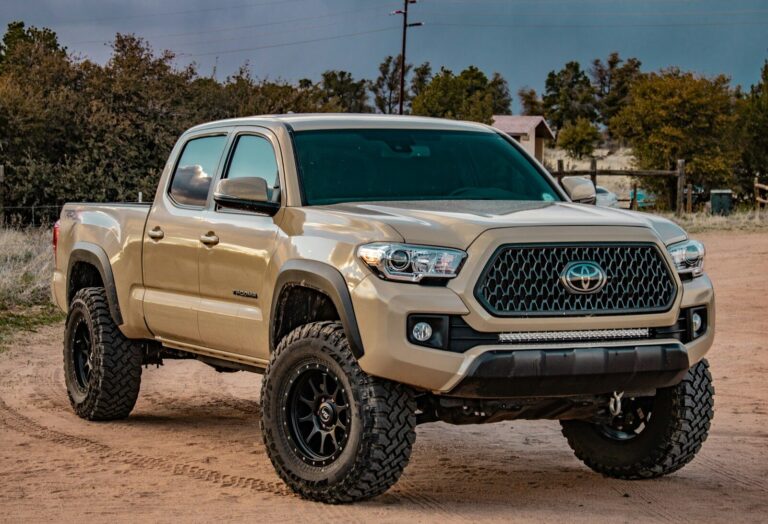
The Tacoma and Tundra are the main examples for truck buyers. The Tacoma is a midsize pickup, while the Tundra is a full-size pickup designed for larger loads and more demanding work.
Older Toyota 4Runner models also used SR5 trim designations. Equipment varied by generation, so an older SR5 sport utility vehicle may have features that differ greatly from those found on a newer SR5 truck.
Does SR5 Mean a Special Engine?
No. The badge alone does not identify the engine.
An SR5 truck may have different engine choices depending on its generation and model year. Some versions use naturally aspirated gasoline engines, while newer versions of certain Toyota trucks offer turbocharged engines or hybrid powertrains in selected grades.
A turbocharger is a device that uses exhaust energy to push more air into the engine. A hybrid powertrain combines an internal combustion engine with an electric motor.
Always check the vehicle identification number (VIN), factory specifications, and original equipment records to confirm the actual powertrain.
Mechanics Behind the Toyota SR5 Trim Designation
The SR5 badge does not describe a mechanical system that makes the truck operate differently by itself. Instead, it identifies a factory equipment package that may be paired with several mechanical configurations.
How Trim Levels Affect Vehicle Equipment
Automakers group features into trim levels to make vehicle production and purchasing simpler. Rather than choosing every component separately, buyers can select a version with a known collection of standard equipment.
For an SR5 Toyota, this may mean additional comfort features, upgraded exterior trim, or more technology than the base version. Some features may still be optional or part of a package.
The mechanical parts that determine how a truck drives include its engine, transmission, suspension, brakes, tires, and drivetrain. A drivetrain transfers power from the engine to the wheels.
The SR5 name does not automatically change these parts. Any mechanical difference must be confirmed through the specifications for that exact vehicle.
Does SR5 Change Towing or Payload Capacity?
Towing capacity is the maximum permitted weight a vehicle can pull under specified conditions. Payload is the combined weight of the people and cargo the vehicle can carry.
An SR5 badge does not guarantee a particular towing or payload rating. These limits depend on the engine, axle ratio, cab and bed configuration, drivetrain, cooling equipment, and other factors.
For example, two trucks with the same trim badge may have different towing limits because one has a different drivetrain or factory towing equipment.
Check the owner’s manual and vehicle-specific ratings before hauling a trailer. Also check the door-jamb payload label and the applicable gross vehicle weight and axle weight limits.
Understanding Two-Wheel Drive and Four-Wheel Drive
An SR5 Toyota may be offered with different drive configurations, depending on the model and year.
Two-wheel drive sends engine power to two wheels. Four-wheel drive can deliver power to all four wheels and may improve traction on loose surfaces, mud, or snow when used correctly.
However, SR5 does not automatically mean four-wheel drive. Some versions are two-wheel drive, while others offer four-wheel drive.
If you need a truck for rough trails, steep access roads, or frequent travel over loose ground, inspect the drivetrain specification rather than relying on the badge.
Why the Toyota SR5 Trim Matters to Buyers
Choosing the right trim affects comfort, convenience, ownership costs, and resale value. SR5 is often appealing because it can provide a useful balance between basic equipment and more expensive premium features.
Everyday Comfort and Convenience Features
Depending on the model year, SR5 equipment may include features such as upgraded seat materials, power accessories, keyless entry, steering-wheel controls, or a larger infotainment display.
An infotainment system combines functions such as music, navigation, phone connectivity, and vehicle settings. Some newer versions may support smartphone integration and advanced driver assistance features.
These additions can make daily driving more pleasant without requiring a top-tier trim. Still, equipment changes from year to year, so inspect the actual vehicle rather than assuming every SR5 has the same features.
Exterior Styling and Interior Design
SR5 versions often feature trim-specific wheels, grille details, badging, and interior accents. These changes can give the vehicle a more distinctive appearance than a basic model.
The differences may be subtle on some years and more noticeable on others. Wheel size, seat material, dashboard layout, and exterior details can all change between generations.
For used vehicles, appearance alone is not enough to establish the trim. Badges can be replaced, and previous owners may add aftermarket wheels or accessories.
An aftermarket part is a component installed outside the vehicle’s original factory specification. It may improve appearance or function, but it does not prove that the truck left the factory as an SR5.
Safety and Driver Assistance Equipment
Newer Toyota models may offer driver assistance systems that help with tasks such as collision warning, adaptive cruise control, or lane guidance.
Adaptive cruise control can adjust speed to help maintain a selected gap from a vehicle ahead. Lane assistance systems can warn the driver or provide steering support under certain conditions.
These systems depend on the model year, installed package, and market specification. Do not assume that every SR5 has every available safety feature.
When buying used, test the equipment and check for warning lights. A camera, radar sensor, or other component may need repair or calibration if the vehicle has suffered collision damage.
Core Benefits of Choosing a Toyota SR5
The main attraction of an SR5 is its potential balance of practical features, everyday comfort, and cost. It can suit owners who want more than the simplest truck without paying for every premium option.
A Practical Balance of Price and Equipment
A base trim may be less expensive but lack certain convenience features. A premium trim may include leather seating, more advanced technology, or additional luxury equipment that some owners do not need.
SR5 can occupy the middle ground. For buyers who use a truck for commuting, errands, weekend projects, and occasional hauling, this balance can make sense.
The best value depends on the price difference between trims and the equipment included in each one. A well-equipped base model may sometimes offer better value than an SR5 with few additional features.
Useful Features for Work and Daily Driving
Pickup trucks often need to serve several roles. An owner may drive to work during the week, carry tools on weekends, and tow a small trailer occasionally.
An SR5 configuration may provide a comfortable cabin and practical storage while retaining the utility of the underlying truck.
However, real-world capability depends on the actual powertrain, suspension, bed configuration, tires, and rated limits. The trim badge should be only one part of the decision.
Potential Resale Appeal
Toyota trucks often attract buyers looking for durability and practical utility. A recognizable trim with useful features may appeal to future buyers, particularly when the vehicle has a clear service history.
Resale value also depends on mileage, condition, accident history, engine and drivetrain configuration, local demand, and maintenance quality.
An SR5 badge cannot compensate for neglected servicing or structural damage. A clean, well-maintained truck with documented repairs is generally a stronger purchase than a poorly maintained vehicle with a more attractive trim.
Potential Drawbacks and Common SR5 Limitations
Although SR5 can offer good value, it is not always the right choice. Its features and price should be compared carefully with other grades.
Features That May Still Be Missing
SR5 does not necessarily include every feature available on a Toyota truck. Depending on the year, it may lack premium seat materials, a larger audio system, advanced camera views, or certain off-road upgrades.
Some features may be optional packages rather than standard equipment. A used truck may also have different equipment because of its original market or production configuration.
Before buying, list the features you genuinely need. Check each one in the vehicle itself, and confirm its operation rather than relying on an online listing.
Off-Road Capability Is Not Guaranteed
The term “sport” in discussions of SR5 should not be taken as proof of serious off-road capability.
Ground clearance is the space between the vehicle’s lowest relevant component and the ground. Approach and departure angles describe how steep an obstacle the front or rear of a vehicle can approach without making contact.
These measurements, along with tires, suspension, drivetrain, and underbody protection, affect off-road performance. A dedicated off-road trim may include equipment designed for rough terrain that a standard SR5 does not have.
For frequent trail use, compare the SR5 with the relevant off-road grade and check its factory equipment.
Used Vehicle Condition Can Matter More Than Trim
A truck’s condition often matters more than a small difference in trim equipment. Hard towing, poor maintenance, flood exposure, and repeated off-road use can cause expensive problems.
Inspect the frame, suspension, brakes, tires, engine bay, and transmission behavior. Look for fluid leaks, uneven tire wear, rust, and signs of poor repairs.
A pre-purchase inspection is an examination by a qualified mechanic before you buy a vehicle. It can reveal problems that are difficult to spot during a short test drive.
Common Misunderstandings About the Toyota SR5 Badge
Many buyers confuse trim names with engine specifications, performance packages, or drivetrain systems. Knowing the difference helps prevent costly mistakes.
SR5 Is Not an Engine or Transmission Code
Engine codes identify a particular engine family or design. Transmission codes identify a specific transmission unit or type.
SR5 is a trim designation. It does not tell you whether a truck has a manual transmission, an automatic transmission, a particular engine displacement, or a hybrid system.
For accurate details, check the factory build information and the vehicle’s specifications.
SR5 Does Not Always Mean the Same Features
Toyota changes equipment as models are redesigned and updated. Features that were optional on one model year may become standard on a later version, while other features may be removed or offered only in a package.
The same badge can therefore describe vehicles with noticeably different cabins, displays, safety equipment, and powertrain options.
When comparing used trucks, compare the exact model year and configuration rather than treating all SR5 vehicles as identical.
SR5 and TRD Are Different Designations
TRD stands for Toyota Racing Development, Toyota’s performance and motorsports-related division and branding. TRD designations are used for certain performance and off-road packages or trims.
SR5 and TRD are not interchangeable terms. An SR5 may be available with certain additional packages in some model years, but that does not make every SR5 a TRD model.
Check the original factory equipment list to establish whether a truck has genuine TRD components or accessories added later.
Frequently Asked Questions About Toyota SR5
These common questions help clarify what the badge means when comparing Toyota trucks or shopping for a used vehicle.
Is SR5 Better Than the Base Toyota Trim?
Often, SR5 offers more convenience or styling features than the base grade. Whether it is better depends on the price difference and the features you want.
Does SR5 Mean Four-Wheel Drive?
No. SR5 is a trim designation, not a drivetrain specification. Confirm whether the vehicle is two-wheel drive or four-wheel drive before purchasing it.
Is a Toyota SR5 Good for Towing?
It can be, provided the truck’s actual configuration is suitable for the trailer. Check its specific towing rating, payload limit, hitch equipment, and owner’s manual.
Is SR5 a Luxury Trim?
SR5 is generally a practical, mid-range-style trim rather than Toyota’s most luxurious option. Exact equipment varies by vehicle and model year.
What Is the Difference Between SR and SR5?
On models that offer both grades, SR is generally the more basic trim, while SR5 may add comfort, convenience, or styling features. The exact differences depend on the year and vehicle.
Is an Older Toyota SR5 Worth Buying?
It can be a good used purchase if its condition, maintenance record, and price are sound. Pay particular attention to rust, drivetrain condition, accident history, and evidence of heavy use.
Can I Tell Whether a Toyota Is SR5 by Its VIN?
The VIN identifies a vehicle and can help establish its original specifications when checked through suitable factory or vehicle-history records. A VIN decoder may not display every trim detail, so verify the information through reliable build records when possible.
Final Thoughts on Understanding the Toyota SR5
The Toyota SR5 badge identifies a trim level that commonly adds useful comfort, convenience, and styling features to selected Toyota vehicles, especially pickup trucks. It does not automatically indicate a specific engine, four-wheel-drive system, towing rating, or off-road package.
For a new or used truck buyer, the smartest approach is to compare the actual equipment, mechanical configuration, condition, and price. Check the service history and have a used vehicle inspected before making a decision.