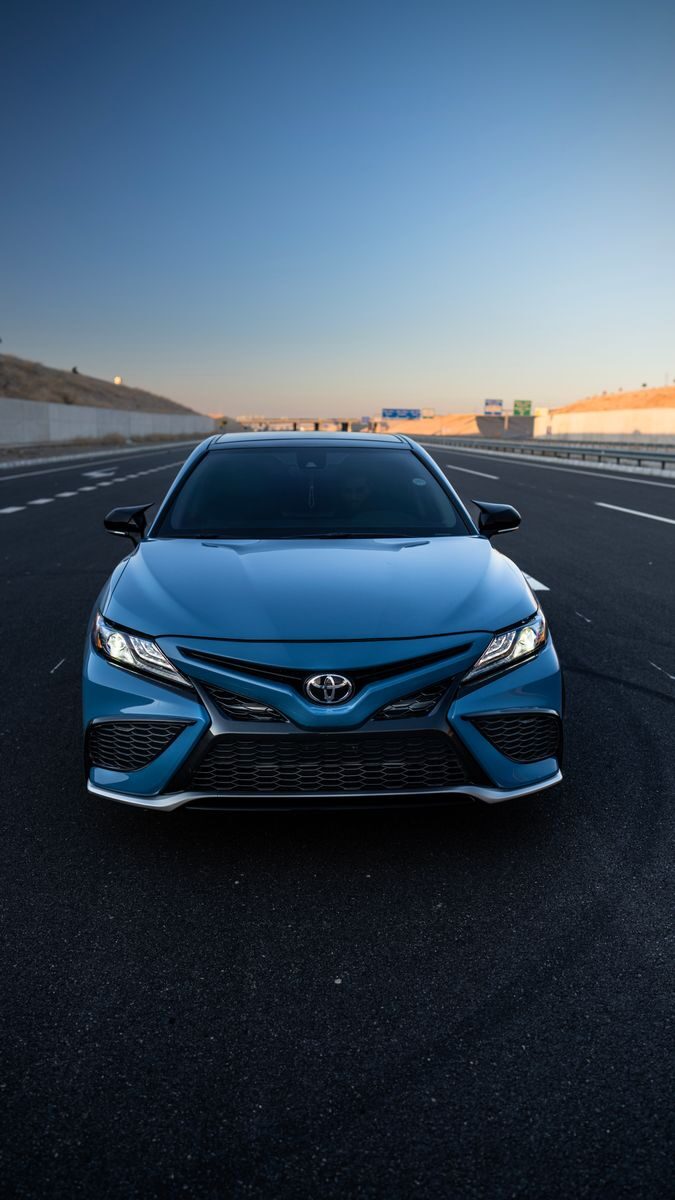
Where Is the Toyota Forerunner Made? Factory and Production Guide
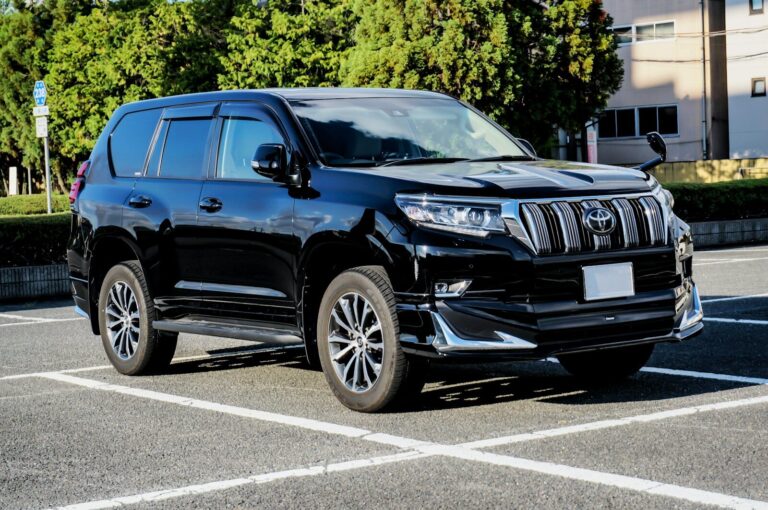
In automotive manufacturing, the factory that builds an SUV can tell you a lot about its design, quality checks, and parts supply. The Toyota Forerunner, more commonly spelled Toyota 4Runner, is built mainly in Japan. Its production has long been linked to Toyota’s Tahara manufacturing plant, where the company makes several vehicles with a strong focus on build quality.
The exact answer can depend on the model year and market. The 4Runner is a body-on-frame SUV, which means its body sits on a separate frame rather than forming one single structure. This design helps it handle rough roads, trails, and demanding driving conditions. Knowing where it is made can help you understand its assembly process, reliability, and long-term ownership needs.
This guide covers the factory, production methods, model history, engine assembly, quality control, and key details to check before buying a used or new 4Runner.
Where the Toyota 4Runner Is Built Today
The Toyota 4Runner has traditionally been assembled in Japan, with the Tahara plant serving as its main production site. Toyota uses advanced manufacturing systems to keep parts aligned, control assembly quality, and test each vehicle before it leaves the factory.
Why factory location matters
A vehicle’s factory location can affect parts supply, shipping time, and the way buyers verify its origin. It does not, by itself, determine whether a vehicle is reliable. Design, maintenance, assembly standards, and proper repairs all play major roles.
For the 4Runner, Japanese production is an important part of its manufacturing story. However, the production location of a particular model year should always be checked rather than assumed.
How to verify the factory for your SUV
The most useful starting point is the vehicle identification number, or VIN. This is the unique code assigned to each vehicle. It helps identify details such as the model year, vehicle type, and manufacturing origin.
You can usually find the VIN on the dashboard near the windshield or on the driver’s door label. The certification label and official vehicle records can also help confirm where the SUV was assembled.
Do not rely on a sales listing or a badge alone. A factory’s location and a brand’s home country are two different things.
How Toyota Builds the 4Runner for Long-Term Use
The 4Runner is designed for drivers who need more than a smooth ride on paved roads. Its structure must cope with bumps, twisting forces, heat, vibration, and repeated changes in load.
The body-on-frame construction process
The frame acts as the SUV’s main structural base. It supports the engine, transmission, suspension, and body. During assembly, workers and automated equipment position these parts with tight tolerances, which are acceptable limits for small differences in size or alignment.
This construction helps the 4Runner cope with uneven surfaces. It also makes the vehicle suitable for many towing and off-road tasks, provided the driver stays within the rated limits.
How the main systems come together
The powertrain is the group of parts that produces and delivers engine power to the wheels. It includes the engine, transmission, and related drive components. Each part must work with the others to provide smooth acceleration and dependable performance.
The suspension, steering, brakes, and electrical systems are also fitted and checked during assembly. These systems affect how the vehicle handles corners, absorbs bumps, stops safely, and responds to driver inputs.
Key production stages and their purpose
Each stage of vehicle production has a specific role. The following table outlines the main tasks involved in building a body-on-frame SUV such as the 4Runner.
| Production stage | Main task | Quality goal |
|---|---|---|
| Frame assembly | Join structural parts | Strength and alignment |
| Body construction | Form and join body panels | Fit and rigidity |
| Paint process | Prepare and coat surfaces | Corrosion protection |
| Powertrain fitting | Install engine and transmission | Correct mounting |
| Final assembly | Fit cabin and safety systems | Complete operation |
| Vehicle testing | Check major functions | Safe delivery |
Good manufacturing depends on the quality of each stage. A strong frame cannot make up for a poorly fitted brake line or a faulty electrical connection.
How the 4Runner Factory Controls Build Quality
Factory quality control means checking materials, assembly work, and vehicle operation against set standards. These checks aim to catch defects before a vehicle reaches a dealer or customer.
Precision checks during assembly
Manufacturers use measuring tools, sensors, and automated systems to check important dimensions. For example, frame mounting points must align with the parts attached to them. Poor alignment can lead to unwanted vibration, uneven tire wear, or handling concerns.
Fasteners also need the correct tightening force. Torque is the turning force used to tighten a bolt or nut. Too little torque can allow a joint to loosen, while too much can stretch a bolt or damage a threaded hole.
Testing the engine and transmission
The engine must deliver power without abnormal noise, leaks, or warning signs. The transmission must shift as designed, while cooling systems must control heat under normal operating conditions.
Modern production checks may include electronic diagnostics. An ECU, or electronic control unit, is a computer that manages systems such as engine operation. Diagnostic tools can identify certain faults by reading stored trouble codes and system data.
Common factory checks and what they detect
Quality checks vary by model year and manufacturing process. The table gives examples of common inspection goals rather than a confirmed checklist for every 4Runner production line.
| Inspection | What is checked | Why it matters |
|---|---|---|
| Frame measurement | Structural dimensions | Correct component fit |
| Leak inspection | Fluid and coolant paths | Prevents fluid loss |
| Brake test | Braking response | Supports safe stopping |
| Electrical scan | Electronic fault codes | Finds system errors |
| Road or dynamic test | Noise and handling | Detects unusual behavior |
Factory testing reduces the chance of defects, but no production system can guarantee that every vehicle will remain fault-free. Regular maintenance and prompt repairs still matter.
How Production Has Changed Across Model Years
The 4Runner has evolved over several generations. Its core role has remained much the same: a rugged SUV built for drivers who want useful off-road ability alongside everyday transport.
From a basic utility SUV to a modern vehicle
Early versions focused on simple construction and practical utility. Later generations gained more comfort, improved safety equipment, and more advanced engine management. These changes made the SUV more suitable for family use without removing its traditional strengths.
Manufacturing methods have also advanced. Modern plants use more automated measurements, digital records, and electronic checks than older production lines. These tools help workers find faults earlier and maintain consistent assembly quality.
Why the model year is important
The factory location alone does not tell you which engine, transmission, or safety features a vehicle has. Those details can change between generations and trim levels.
Before buying a 4Runner, check its model year, engine type, drivetrain, and service history. A well-maintained older model may suit some drivers better than a newer one with poor maintenance records.
Important differences between production generations
The following overview highlights broad changes in the 4Runner’s development. Exact specifications vary by market, trim, and model year.
| Feature | Earlier generations | More recent generations |
|---|---|---|
| Engine management | Simpler controls | More advanced electronics |
| Cabin equipment | Basic comfort features | More driver technology |
| Safety systems | Fewer electronic aids | Expanded safety features |
| Diagnostics | Less digital monitoring | More electronic fault data |
| Build methods | Less automation | Greater use of automated checks |
These changes do not mean that every newer vehicle is more reliable than every older one. Condition, service quality, driving habits, and repair history remain major factors.
Which Parts Are Made Where in the 4Runner?
A vehicle may be assembled in one country while using components supplied by many different manufacturers. This is normal across the automotive industry.
Assembly location versus parts origin
Final assembly is the stage where the main vehicle systems are brought together into a complete SUV. It does not mean every part was produced in the same factory.
Engines, electronic modules, tires, glass, seats, and other components may come through separate supplier networks. Their origins can vary by part, production year, and supply agreement.
An original equipment manufacturer, or OEM, is a company that makes parts for a vehicle manufacturer or supplies parts to its specifications. Some OEM parts come from outside suppliers rather than the vehicle brand’s own factories.
Does a Japanese-built SUV use only Japanese parts?
No. A vehicle assembled in Japan can contain components made elsewhere. Likewise, a vehicle assembled in another country can use Japanese-made components.
This is why the assembly location should not be treated as proof of the origin of every part. If you need to trace a specific engine, transmission, or electronic module, check its identification markings and the relevant parts records.
How component sourcing affects maintenance
Parts sourcing matters when you need a replacement. The correct component must match the vehicle’s model year, engine, drivetrain, and equipment package.
A part that looks identical may have a different connector, mounting point, software requirement, or operating rating. Always confirm compatibility before ordering.
What Factory Origin Means for Reliability and Value
Factory origin can be useful background information, but it is only one part of a vehicle’s overall story. Long-term reliability depends on engineering, manufacturing, maintenance, operating conditions, and the quality of any repairs.
Build quality and real-world durability
A well-built SUV should have secure joints, properly fitted parts, and systems that work together as designed. These features help reduce problems caused by poor assembly.
Yet even a well-built vehicle can develop worn suspension bushings, leaking seals, damaged sensors, or cooling system faults. These issues may appear after years of use, especially if the SUV often carries heavy loads or travels on rough roads.
How driving conditions affect lifespan
Stop-and-go traffic can increase heat and wear in some systems. Long periods of idling place different demands on the engine than steady highway travel. Off-road driving can expose the underbody, tires, suspension, and cooling system to greater stress.
Heavy towing adds load to the engine, transmission, brakes, and cooling system. Drivers should follow the towing limits for their exact vehicle and maintain the systems that support that work.
What buyers should check before purchasing
A used 4Runner deserves a careful inspection, regardless of where it was built. Look for signs of collision damage, corrosion, fluid leaks, neglected service, and poorly repaired wiring.
Ask for maintenance records and check that the VIN on the vehicle matches its documents. A pre-purchase inspection by a qualified mechanic can reveal problems that are hard to spot during a short test drive.
Frequently Asked Questions About 4Runner Production
Is the Toyota 4Runner made in Japan?
The Toyota 4Runner has traditionally been built in Japan, with production associated with Toyota’s Tahara plant. Check the VIN and factory label to confirm the origin of an individual vehicle.
Is the Toyota 4Runner made in the United States?
The 4Runner’s established production history is associated with Japanese assembly. Do not assume that a specific vehicle was built in the United States based on where it is sold. Verify the assembly origin for its model year.
Does the country of assembly affect reliability?
It can provide useful information about a vehicle’s manufacturing background, but country alone does not determine reliability. Engineering, quality checks, maintenance, driving conditions, and repair work all affect how a vehicle performs over time.
Are all Toyota 4Runner engines made in the same factory?
Not necessarily. Engine production and final vehicle assembly are separate processes. The exact engine source can depend on the model year, powertrain, and supplier arrangements.
How can I identify where my 4Runner was assembled?
Start with the VIN and the vehicle certification label. Check the official records for the specific vehicle if you need confirmation. Do not rely only on the brand name or the place where the vehicle was purchased.
Is a Japanese-built 4Runner better than other SUVs?
Its construction and off-road design may suit drivers who value a rugged frame and utility. However, the best SUV depends on your needs, budget, driving conditions, fuel costs, and maintenance plans. Compare the actual features and condition of the vehicles you are considering.
Does factory location affect replacement parts?
It can affect supply routes and delivery times, but compatibility matters more than the assembly country. Use the VIN and exact vehicle specifications to identify the correct replacement parts.
Final Thoughts on Toyota 4Runner Manufacturing
The Toyota 4Runner is best known for its Japanese manufacturing heritage and its rugged body-on-frame design. Its production combines structural assembly, powertrain installation, electronic checks, and quality inspections to create an SUV intended for everyday driving and demanding conditions.
Still, the factory name alone cannot prove that an individual vehicle is reliable or that every component came from the same country. Model year, maintenance history, vehicle condition, and correct parts all matter.
If you are buying a 4Runner, verify its VIN, confirm its assembly origin, review its service records, and arrange a thorough inspection. Those practical steps will tell you far more about the vehicle in front of you than its manufacturing location alone.